Woody Harrelson's Unconventional $65 Million: From Cheers Bartender to Hemp Entrepreneur
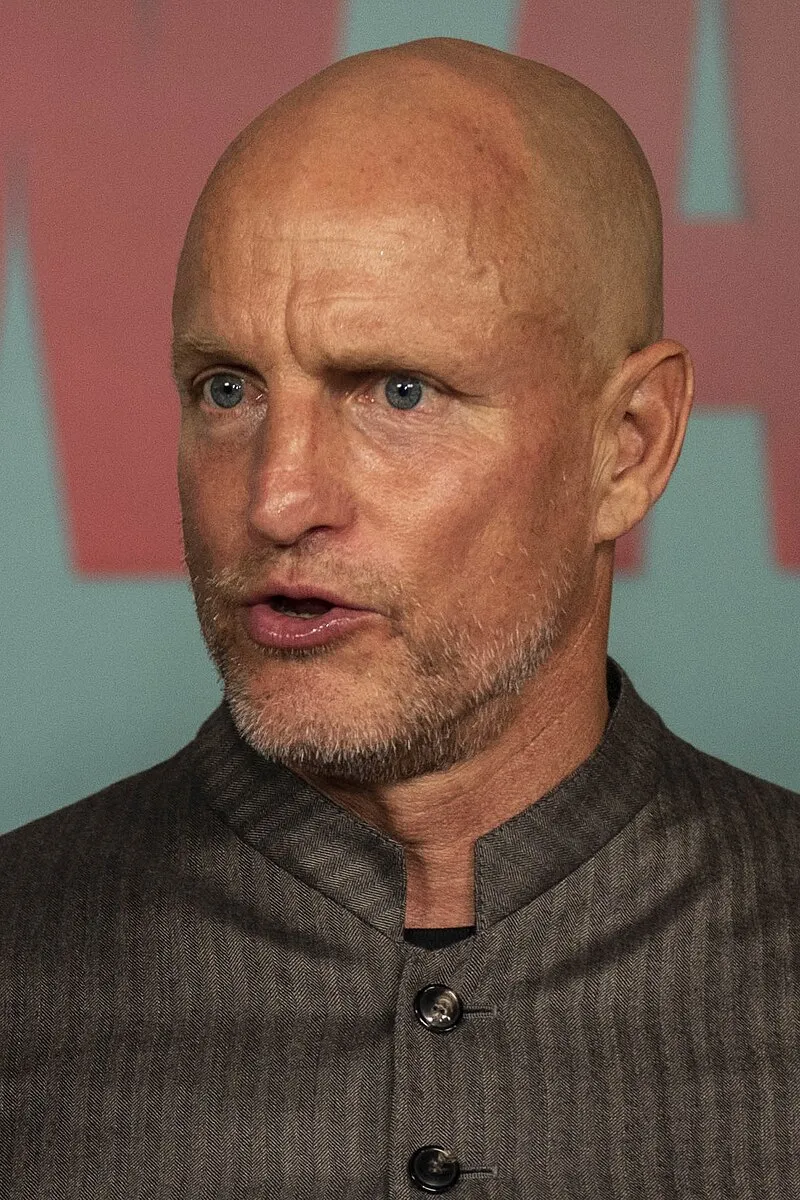
Photo of Woody Harrelson, via Wikimedia Commons
Woody Harrelson's Unconventional $65 Million: From Cheers Bartender to Hemp Entrepreneur
Woody Harrelson's estimated $65 million net worth represents one of Hollywood's most unconventional wealth-building strategies. The 63-year-old actor has successfully balanced mainstream entertainment success with passionate advocacy for environmental causes and alternative business ventures, creating a diverse portfolio that reflects both his artistic vision and personal values.
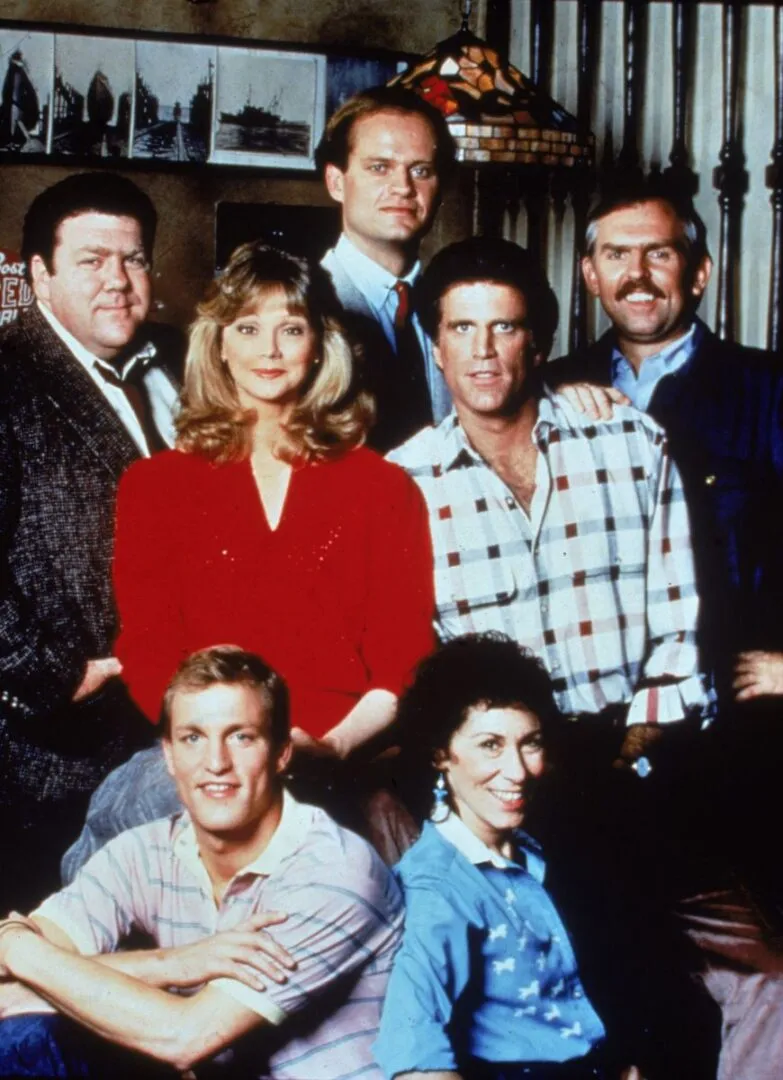 Photo: Woody Harrelson, via famouspeopletoday.com
Television Foundation: The Cheers Years
Harrelson's wealth journey began with his breakout role as Woody Boyd on Cheers (1985-1993), which transformed him from struggling actor to household name. His eight-season tenure earned him an Emmy Award and established the financial foundation for his subsequent career choices.
During the show's peak years, Harrelson earned approximately $30,000 per episode, totaling roughly $750,000 per season by the series' end. While modest by today's standards, these earnings provided the security to pursue riskier film projects and personal interests without financial pressure.
The residual payments from Cheers' syndication continue providing steady income decades later. The show's enduring popularity in reruns and streaming platforms generates ongoing royalties that contribute to Harrelson's passive income streams.
Transition to Film: Strategic Career Choices
Harrelson's transition from television to film demonstrated remarkable strategic thinking. Rather than pursuing typical leading-man roles, he gravitated toward character-driven projects that showcased his range while building critical credibility.
His breakthrough film performance in Natural Born Killers (1994) earned him approximately $2 million while establishing his dramatic credentials. This success led to higher-profile projects like The People vs. Larry Flynt (1996), which earned him an Academy Award nomination and a $3 million paycheck.
Throughout the late 1990s and 2000s, Harrelson commanded $5-8 million per film for projects like Zombieland, No Country for Old Men, and The Messenger. His willingness to accept supporting roles in prestigious projects often proved more lucrative than leading roles in mediocre films.
The True Detective Renaissance
Harrelson's career experienced a significant financial boost with HBO's True Detective (2014). His role as Detective Marty Hart alongside Matthew McConaughey earned him approximately $3 million for the eight-episode series while reintroducing him to younger audiences.
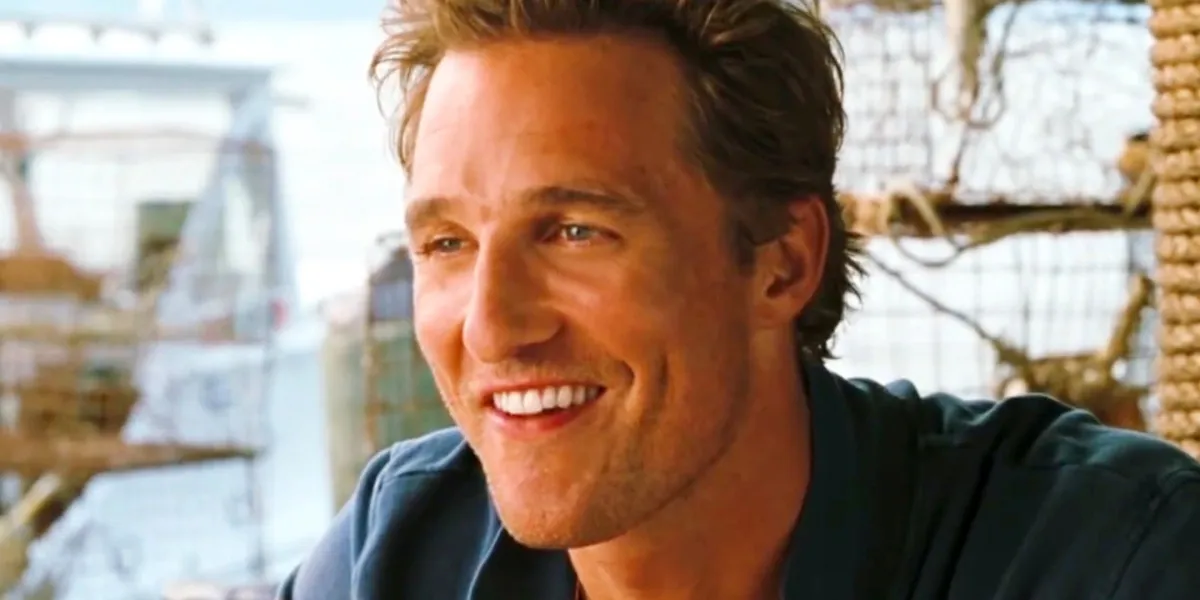 Photo: Matthew McConaughey, via static1.srcdn.com
The show's critical acclaim and cultural impact elevated Harrelson's profile in the premium television market. This success led to additional streaming and cable opportunities that command higher per-episode rates than traditional network television.
True Detective's success also enhanced Harrelson's backend participation opportunities, as his involvement became a selling point for subsequent projects seeking similar critical and commercial success.
Blockbuster Paychecks: The Hunger Games Franchise
Harrelson's role as Haymitch Abernathy in The Hunger Games franchise (2012-2015) represented his most lucrative film work. His participation in all four films reportedly earned him $15-20 million total, including backend participation from the franchise's $3 billion worldwide box office performance.
This mainstream success provided financial security while maintaining his artistic credibility. The franchise's young adult appeal introduced Harrelson to new generations of fans, expanding his marketability for diverse projects.
Subsequent blockbuster roles in Solo: A Star Wars Story and the Venom franchise have continued this strategy of balancing commercial success with selective project choices that align with his personal interests.
Environmental Entrepreneurship and Hemp Advocacy
Harrelson's most distinctive wealth-building strategy involves his long-standing advocacy for hemp and sustainable business practices. His early investment in hemp-based products preceded mainstream acceptance by decades, positioning him advantageously as legal restrictions loosened.
His company, Prairie Paper Ventures, focuses on tree-free paper alternatives using hemp and wheat straw. While specific revenue figures remain private, the growing sustainable packaging market suggests significant potential returns on these early investments.
Harrelson's hemp advocacy extends beyond business interests to include speaking engagements, consulting fees, and brand partnerships with environmentally conscious companies. His authentic commitment to these causes commands premium rates from organizations seeking credible celebrity endorsements.
Real Estate and Sustainable Living
Harrelson's real estate portfolio reflects his environmental values while providing solid investment returns. His primary residence in Maui emphasizes sustainable construction and off-grid living, serving as both personal sanctuary and demonstration of eco-friendly luxury.
His Costa Rica property, developed as an eco-resort, generates rental income while showcasing sustainable tourism practices. These properties appreciate in value while aligning with growing demand for environmentally conscious travel experiences.
Unlike many celebrities who accumulate multiple luxury properties, Harrelson's focused approach emphasizes quality over quantity, reducing maintenance costs while maximizing personal enjoyment and investment returns.
Production Ventures and Creative Control
Harrelson's production company pursues projects that combine commercial viability with social messaging. His involvement as producer provides additional revenue streams through ownership stakes in successful projects.
His directorial debut, Lost in London (2017), demonstrated innovative live-streaming technology while maintaining creative control. While not immediately profitable, such projects establish Harrelson's reputation as an industry innovator willing to explore new distribution methods.
These ventures position Harrelson for potential windfalls if his early adoption of emerging technologies and platforms proves prescient.
Investment Philosophy and Wealth Management
Harrelson's investment strategy emphasizes alignment between personal values and financial returns. His portfolio includes renewable energy projects, sustainable agriculture ventures, and technology companies focused on environmental solutions.
This approach has occasionally sacrificed maximum returns for ethical consistency, but the growing ESG (Environmental, Social, and Governance) investment trend suggests his early positioning may prove financially advantageous.
His financial advisors reportedly focus on long-term wealth preservation rather than aggressive growth, reflecting his preference for sustainable practices in both personal and financial matters.
Cultural Impact and Enduring Value
Harrelson's $65 million fortune reflects not just entertainment earnings but the value of authentic personal branding. His consistent environmental advocacy has created opportunities unavailable to actors without such clear personal missions.
His willingness to use his platform for causes he believes in has attracted partnerships with organizations and companies seeking genuine celebrity endorsements rather than purely transactional relationships.
Future Outlook and Legacy Building
At 63, Harrelson continues balancing mainstream entertainment success with entrepreneurial ventures. His upcoming projects include both blockbuster sequels and independent films that maintain his diverse portfolio approach.
His hemp and sustainable business investments position him to benefit from continued growth in environmentally conscious consumer markets. As these industries mature, his early involvement may generate significant returns.
Woody Harrelson's unconventional wealth-building strategy demonstrates that actors can successfully combine artistic integrity, personal values, and financial success. His $65 million net worth represents not just career earnings but a comprehensive approach to building wealth that reflects his authentic self while positioning him for continued success across multiple industries.