Christopher Lloyd Net Worth 2026 — How They Built Their Fortune
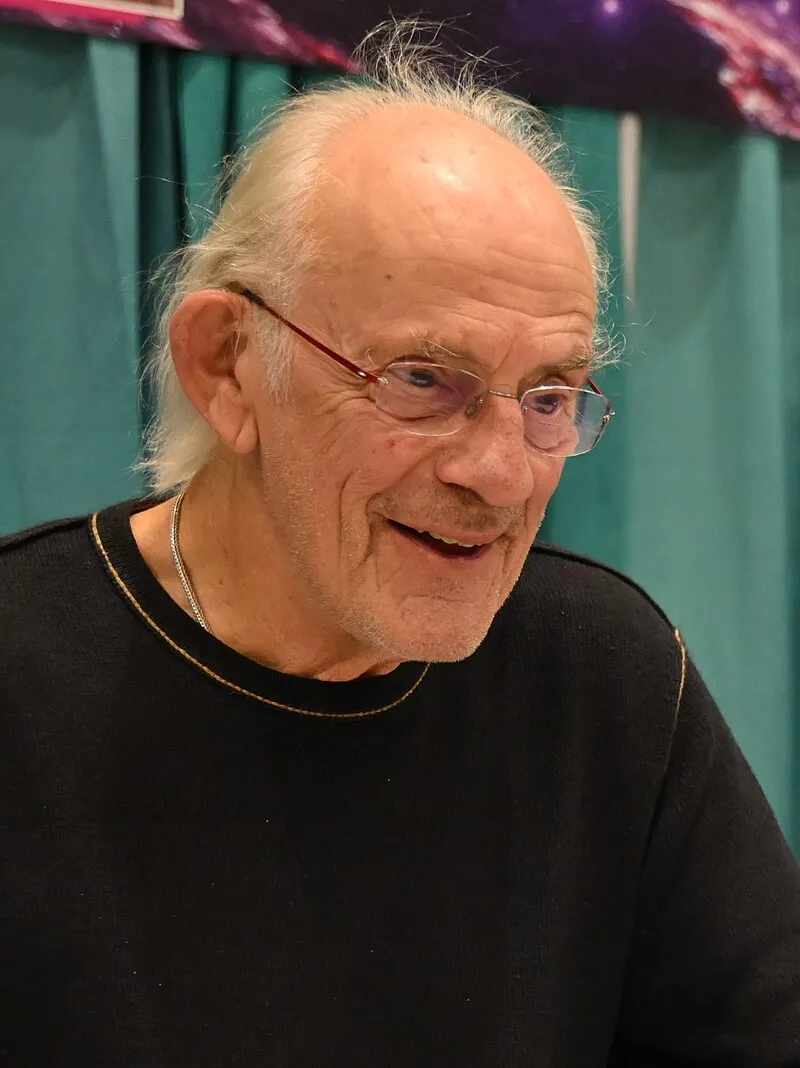
Photo of Christopher Lloyd, via Wikimedia Commons
Character actors rarely become cultural institutions. Christopher Lloyd is the exception. With an estimated net worth of $25 million as of 2026, the Stamford, Connecticut native has constructed a financial legacy built not on blockbuster leading-man fees but on something arguably more valuable: an iconic role that has generated licensing, residual, and appearance income for more than four decades — and shows no signs of slowing down.
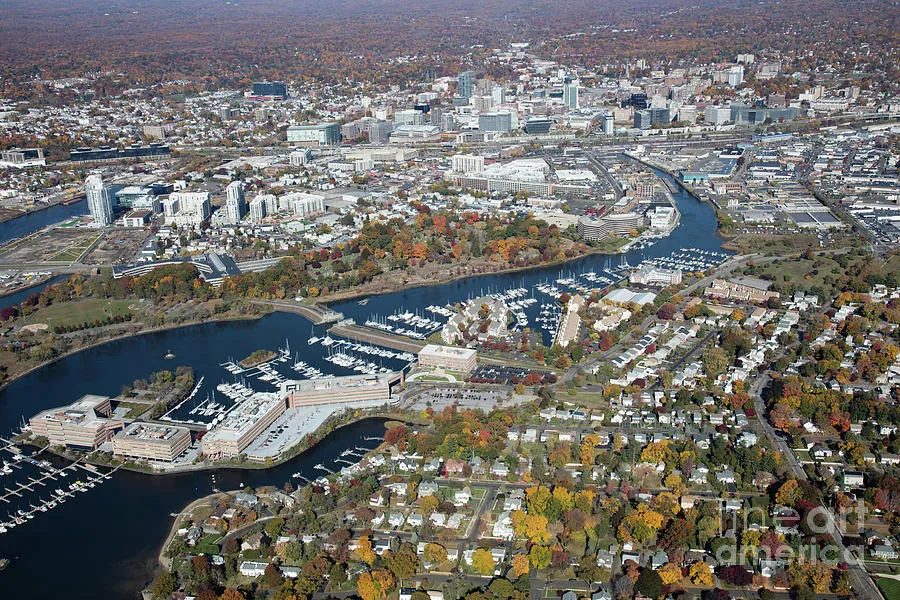 Photo: Stamford, Connecticut, via images.fineartamerica.com
Theater Roots and the Long Apprenticeship
Born in 1938, Lloyd pursued formal theatrical training before establishing himself on the New York stage during the 1960s and early 1970s. His off-Broadway and regional theater work during this period provided foundational craft development rather than significant financial accumulation. Stage wages for character actors in that era were modest — typically ranging from $300 to $1,500 per week for principal roles — but the experience equipped Lloyd with the technical range that would later distinguish him in both comedic and dramatic contexts.
Lloyd's early film appearances, including a role in One Flew Over the Cuckoo's Nest (1975) alongside Jack Nicholson, signaled his capacity for memorable work in major productions. The film won five Academy Awards, including Best Picture, and while Lloyd's role was supporting in scope, his association with the project elevated his professional standing considerably.
Taxi and the Television Breakthrough
Lloyd's financial trajectory shifted meaningfully when he was cast as the eccentric Reverend Jim Ignatowski in the ABC sitcom Taxi, which ran from 1978 to 1983. The role earned him two Primetime Emmy Awards for Outstanding Supporting Actor in a Comedy Series — a credential that permanently altered his market value. Television salaries for principal cast members on network sitcoms during that period ranged from $5,000 to $20,000 per episode, and Lloyd's Emmy recognition would have placed him at the upper end of that range during the show's later seasons.
More significant than the weekly fee was what Taxi did for Lloyd's visibility. The show ran for five seasons, produced 114 episodes, and has remained in syndication for decades. Residual payments from syndication, while individually modest, have represented a consistent passive income stream. More importantly, Taxi made Lloyd a recognizable face in American households — an essential prerequisite for what would come next.
Back to the Future: The Role That Built the Fortune
When Robert Zemeckis and Bob Gale cast Lloyd as Dr. Emmett Brown in Back to the Future (1985), neither the filmmakers nor the actor could have anticipated the cultural and financial scale of what they were creating. The film grossed $381 million worldwide against a production budget of $19 million, making it the highest-grossing film of 1985. Its two sequels — Back to the Future Part II (1989) and Back to the Future Part III (1990) — added a further $500 million in global box office revenue.
Lloyd's compensation for the original film is estimated at approximately $500,000, a figure consistent with the supporting star tier of mid-1980s studio productions. His fees for the sequels would have increased meaningfully given the franchise's established success — industry estimates suggest he earned between $1 million and $2 million per sequel. However, the direct compensation from the three films, while substantial, represents only a fraction of the total financial value the franchise has generated for Lloyd over the subsequent four decades.
The Franchise's Enduring Economic Engine
The Back to the Future franchise is, by any measure, one of the most commercially durable intellectual properties in Hollywood history. Universal Pictures and Amblin Entertainment have maintained strict control over the property, deliberately limiting sequels and reboots in a strategy that has preserved the original trilogy's cultural prestige while sustaining demand for licensed merchandise, home entertainment releases, and theme park attractions.
Lloyd's participation in franchise-related licensing — including officially licensed merchandise, Funko Pop figures, apparel, and collectible items — generates royalty income estimated at between $200,000 and $500,000 annually. The franchise's presence at Universal Studios theme parks, where DeLorean replicas and Back to the Future themed experiences attract millions of visitors each year, creates additional licensing income streams tied to Lloyd's likeness and the character of Doc Brown.
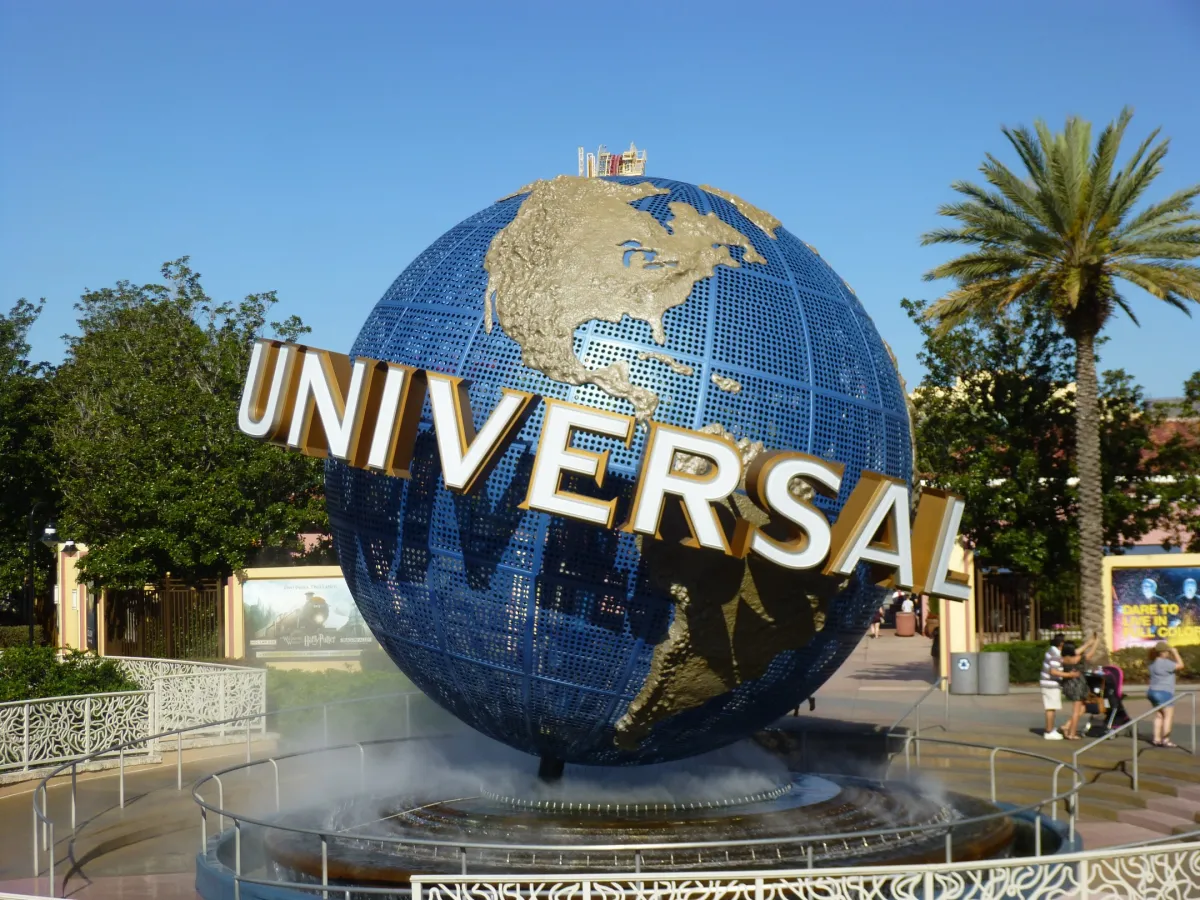 Photo: Universal Studios, via orlandoparkstop.com
Anniversary releases and restoration projects have periodically refreshed the franchise's commercial activity. The 2020 theatrical re-release of Back to the Future to mark the film's 35th anniversary, and the ongoing 4K restoration releases available on streaming and physical media, generate residual payments distributed to principal cast members under Screen Actors Guild agreements.
The Convention Circuit and Personal Appearances
Lloyd has developed one of the most robust personal appearance businesses of any actor associated with a beloved franchise. His presence at pop culture conventions, fan events, and corporate engagements commands fees that industry sources estimate between $30,000 and $75,000 per appearance. Given that Lloyd participates in an estimated 20 to 30 such events annually, the convention circuit alone may generate between $600,000 and $2 million per year.
The convention economy has proven particularly well-suited to Lloyd's situation. Fan enthusiasm for Back to the Future has not diminished across generational lines — the franchise enjoys genuine multigenerational appeal, with parents introducing children and grandchildren to the films in a cycle that continuously refreshes demand for Lloyd's presence. Autograph and photo opportunity revenues at conventions, which fans purchase directly, add meaningfully to his base appearance fees.
Film and Television Work Beyond the Franchise
While Back to the Future anchors Lloyd's financial profile, his career has extended well beyond those three films. His portrayal of Judge Doom in Who Framed Roger Rabbit (1988) demonstrated his range as a villain and earned him additional franchise-adjacent licensing income. His work in The Addams Family films in the early 1990s introduced him to yet another beloved property with its own licensing ecosystem.
More recently, Lloyd has maintained an active presence in independent film and streaming productions. His appearance in I Am Not Okay with This and other streaming projects reflects a deliberate strategy of remaining visible in contemporary entertainment contexts. Streaming fees for character actors of Lloyd's recognition level typically range from $50,000 to $200,000 per project, depending on the production's budget and the scope of his involvement.
Voiceover work has also contributed to Lloyd's income across his career. His distinctive voice has appeared in animated series and commercial productions, with individual projects generating fees ranging from $10,000 to $100,000 depending on the scope of the engagement.
Real Estate and Wealth Management
Lloyd has maintained a relatively private personal life, and detailed information about his real estate holdings is limited. He is known to maintain a residence in California, with property holdings estimated at approximately $3 million to $5 million. Unlike some contemporaries who pursued aggressive real estate investment strategies, Lloyd's wealth appears to be concentrated in career-generated assets and conservative investment vehicles rather than speculative property portfolios.
The 2026 Outlook
At 87, Christopher Lloyd remains one of the most financially active actors of his generation. The combination of Back to the Future licensing royalties, convention circuit earnings, ongoing acting projects, and television residuals produces an estimated annual income in the range of $1.5 million to $3 million. His estimated net worth of $25 million reflects not only the cumulative earnings of a remarkable career but also the compounding value of a single iconic role that has proven, across four decades, to be genuinely inexhaustible.
For aspiring actors and entertainment industry observers alike, Lloyd's financial story offers a compelling lesson: in the right circumstances, a single perfectly executed performance can generate wealth long after the cameras have stopped rolling.