Jake Gyllenhaal Net Worth 2026 — The $80 Million Fortune of Hollywood's Most Underrated Financial Strategist
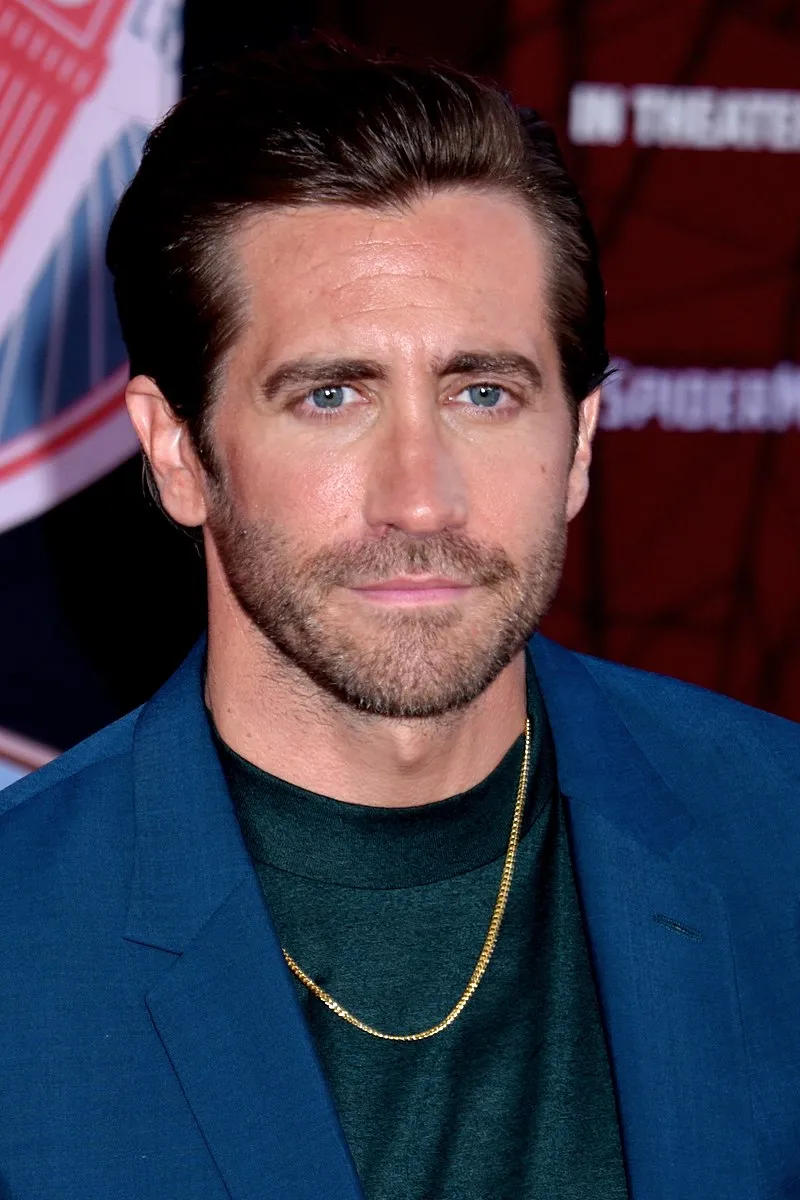
Photo of Jake Gyllenhaal, via Wikimedia Commons
Jake Gyllenhaal Net Worth 2026 — The $80 Million Fortune of Hollywood's Most Underrated Financial Strategist
Jake Gyllenhaal is rarely discussed in the same breath as Hollywood's wealthiest actors. His name does not appear on the lists of performers who command $20 million per picture or who have built consumer product empires alongside their film careers. And yet, heading into 2026, his estimated net worth of $80 million tells a story of financial construction that is arguably more sophisticated than many of those higher-profile accumulations — built on an unusually diverse architecture of studio films, independent productions, Broadway performances, and luxury endorsements, held together by a consistent commitment to critical relevance that has kept his market value ascending for more than two decades.
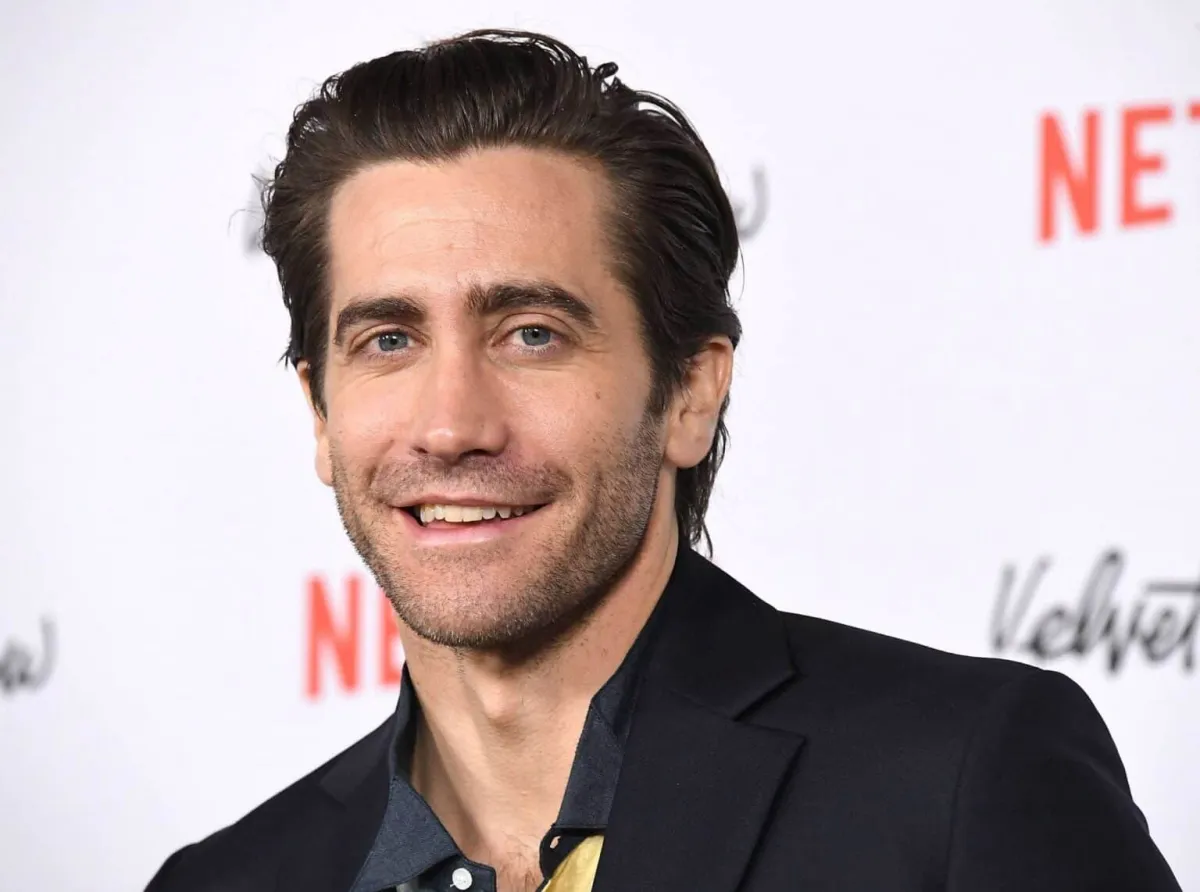 Photo: Jake Gyllenhaal, via www.citimuzik.com
Industry Royalty Without the Safety Net
Gyllenhaal was born in Los Angeles in 1980 to a family with deep roots in the entertainment industry. His father, Stephen Gyllenhaal, is a director; his mother, Naomi Foner, is a screenwriter; his sister, Maggie Gyllenhaal, is an acclaimed actress and director. The family connections that might appear to represent a financial cushion were, in practice, something more complicated — the weight of expectation in a household of serious artists can be as demanding as any external pressure.
 Photo: Maggie Gyllenhaal, via people.com
His professional debut came at age eleven in City Slickers (1991), followed by a series of film appearances through the 1990s that positioned him as a credible young actor rather than a child star. The financial rewards of this period were modest, but the foundation of professional craft was being laid with unusual care.
Donnie Darko and the Credibility Architecture
Richard Kelly's Donnie Darko (2001) was the project that established Gyllenhaal's artistic identity. Made on a budget of approximately $4.5 million, the cult science fiction drama earned modest theatrical returns before becoming one of the most celebrated DVD-era cult films in American cinema history. Gyllenhaal's fee for the production was minimal — likely in the low six figures — but the cultural capital generated by the film's enduring legacy proved invaluable.
The years that followed demonstrated a consistent willingness to accept reduced fees in exchange for creative projects of unusual ambition. Brokeback Mountain (2005), Ang Lee's landmark romantic drama, earned Gyllenhaal his first Academy Award nomination — for Best Supporting Actor — and signaled his arrival as a performer of genuine dramatic weight. The film grossed $178 million worldwide on a $14 million budget, and Gyllenhaal's compensation, while not at the premium level his later career would command, reflected his rising market position.
Zodiac (2007), David Fincher's meticulous procedural drama, and Prisoners (2013), Denis Villeneuve's psychological thriller, further consolidated his reputation in the prestige film space. Both productions paid competitive rates for their respective tiers — estimated in the $3 million to $6 million range — while delivering the critical validation that justifies premium pricing on future projects.
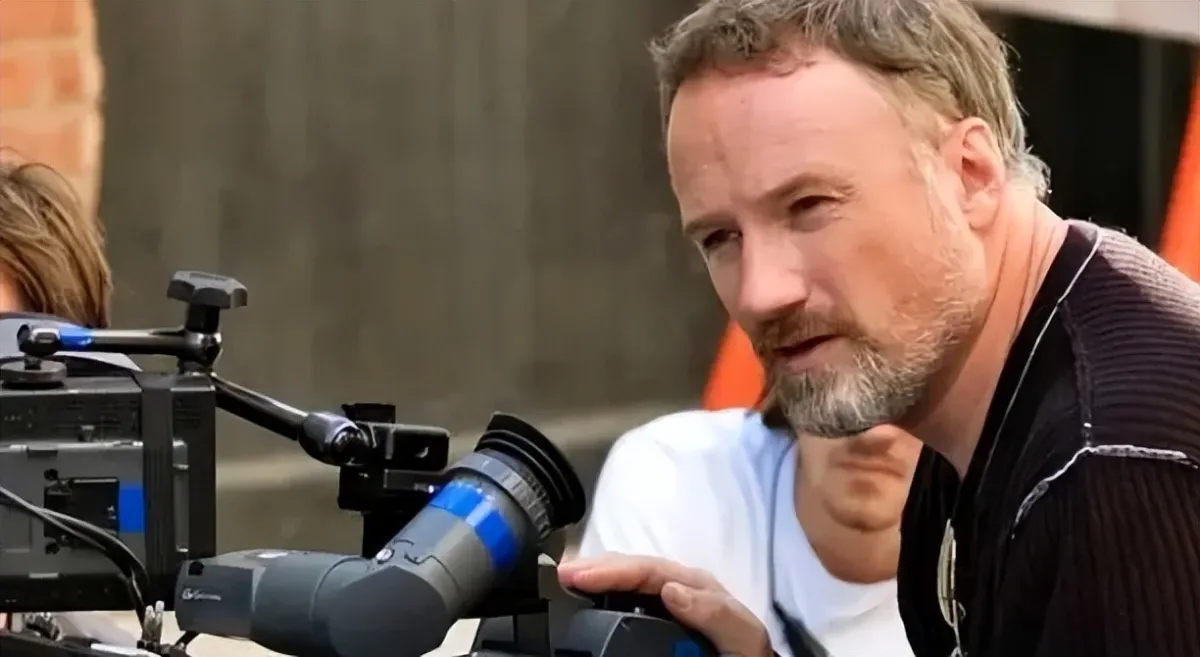 Photo: David Fincher, via p1-tt.byteimg.com
Nightcrawler: The Performance That Changed His Price
Dan Gilroy's Nightcrawler (2014) stands as the defining performance of Gyllenhaal's career and the single project most responsible for the dramatic elevation of his market value. His portrayal of Lou Bloom — a sociopathic freelance crime journalist who engineers increasingly dangerous situations to capture more compelling footage — is widely regarded as one of the finest American screen performances of the past decade.
For a film produced on a budget of approximately $8.5 million, Gyllenhaal's willingness to defer a portion of his fee in exchange for profit participation demonstrated the kind of financial sophistication that characterizes the most strategically minded actors in the industry. Nightcrawler grossed over $50 million worldwide and generated substantial ancillary revenues, making his backend participation meaningful. More importantly, the performance earned him a Golden Globe nomination and the kind of universal critical acclaim that permanently resets an actor's asking price.
Following Nightcrawler, Gyllenhaal's standard fee for major studio productions is estimated to have increased substantially, placing him consistently in the $10 million to $15 million per picture range for significant studio commitments.
The Spider-Man Universe and Franchise Economics
Gyllenhaal's entry into the Marvel Cinematic Universe as Mysterio in Spider-Man: Far From Home (2019) represented his most lucrative single payday to that point in his career. The film grossed over $1.13 billion worldwide — the first Spider-Man film to cross the billion-dollar threshold — and Gyllenhaal's compensation, estimated in the $10 million to $15 million range, reflected both his market standing and the premium that Marvel attaches to securing credible dramatic actors for its productions.
The role also introduced Gyllenhaal to a global audience demographic significantly younger and broader than his established fan base, an expansion of commercial reach that carries compounding value in future negotiations regardless of whether he returns to the franchise.
Broadway: The Income Stream That Surprises
One of the most distinctive elements of Gyllenhaal's wealth strategy is his serious engagement with Broadway theater — a domain that very few film actors of his commercial profile pursue with genuine commitment. He made his Broadway debut in Constellations in 2015, and his 2022 revival of Sunday in the Park with George at New York's City Center was one of the most acclaimed theatrical events of that year.
Broadway productions do not generate the kind of income that film studio contracts provide — leading actors in major Broadway productions typically earn between $30,000 and $100,000 per week during a run's limited engagement. However, the financial logic of Gyllenhaal's Broadway work extends beyond the direct compensation. Theater performances command premium ticket prices, generate significant media attention, and — perhaps most importantly — sustain the critical credibility that justifies his film fees.
Prada and the Luxury Endorsement Premium
Gyllenhaal's endorsement relationship with Prada, the Italian luxury fashion house, represents one of the most strategically aligned brand partnerships in contemporary Hollywood. Named a Prada ambassador, he has appeared in multiple campaigns for the label's Luna Rossa fragrance line, with the partnership estimated to carry an annual value in the range of $3 million to $5 million.
The Prada relationship is consistent with Gyllenhaal's broader brand positioning: it is prestigious, understated by celebrity endorsement standards, and aligned with the European art-house sensibility that has always been part of his public identity. He has also maintained endorsement relationships with other premium brands, contributing an estimated $5 million to $8 million annually from commercial partnerships at peak periods.
Road House and the Streaming Pivot
The 2024 Road House remake, directed by Doug Liman and released on Amazon Prime Video, represented a deliberate pivot toward wider commercial appeal. Gyllenhaal starred as Elwood Dalton, a former UFC fighter turned reluctant bouncer — a physically demanding role that showcased a transformed physique and a willingness to engage with mainstream action entertainment.
The film's streaming release strategy, while generating controversy within the theatrical exhibition industry, delivered substantial viewership on the Amazon platform. Gyllenhaal's compensation for the production — reported in the range of $12 million to $15 million — reflected both his market value and the premium that streaming platforms pay to secure recognizable talent for tentpole releases. A sequel is understood to be in development.
Real Estate and Asset Portfolio
Gyllenhaal owns property in New York City, consistent with his longstanding professional commitment to the city's theater community, as well as real estate holdings in Los Angeles. His combined real estate portfolio is estimated in the $15 million to $20 million range, representing a significant component of his overall net worth.
The $80 Million Verdict
At an estimated $80 million, Jake Gyllenhaal's net worth reflects a financial architecture that is more deliberately constructed than it might appear from the outside. The combination of prestige film fees, franchise participation, Broadway credibility, luxury endorsements, and strategic streaming commitments has produced a wealth profile that is both substantial and unusually well-diversified.
In an industry that rewards spectacle and punishes creative ambiguity, Gyllenhaal has built his fortune by refusing to choose between the two — and the financial results, heading into 2026, suggest that the strategy has been more than vindicated.