Ryan Gosling Net Worth 2026 — How They Built Their Fortune
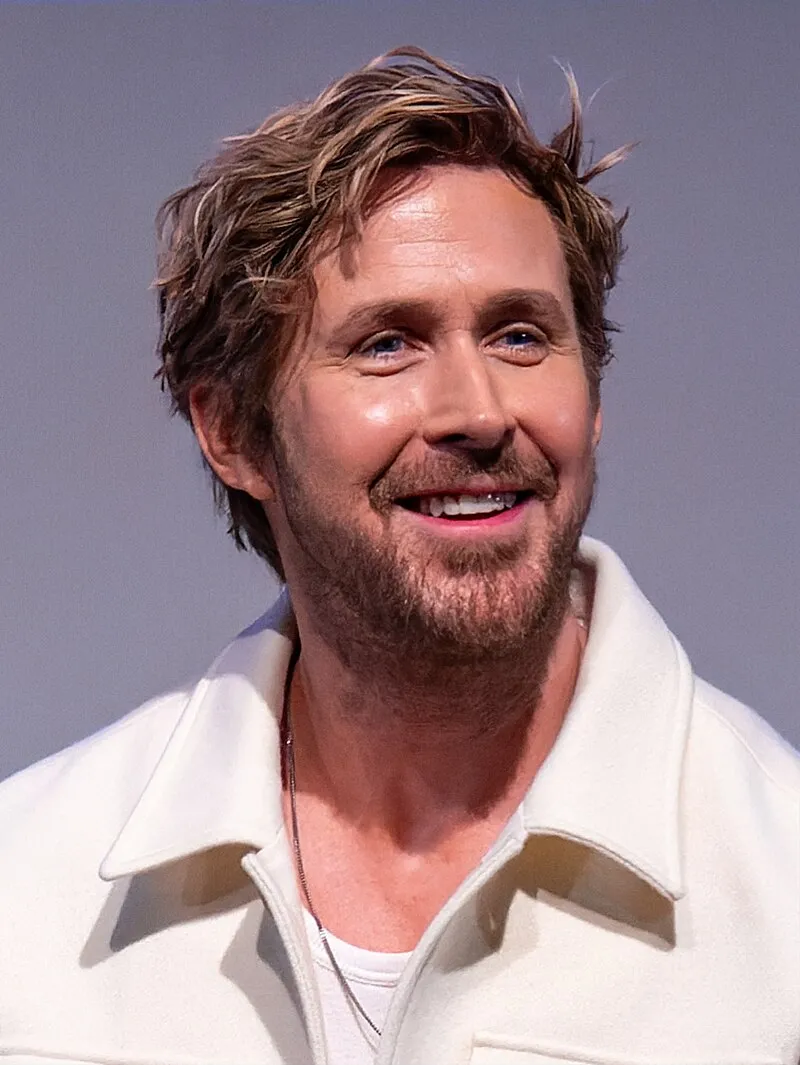
Photo of Ryan Gosling, via Wikimedia Commons
Ryan Gosling occupies a peculiar position in the Hollywood financial landscape. He has never anchored a superhero franchise. He has never signed a multi-picture deal that locked him into a single studio's release calendar for half a decade. And yet, as of 2026, his estimated net worth stands at approximately $70 million — a figure that places him comfortably among the industry's most financially secure performers. Understanding how Gosling built that fortune requires examining not just what he chose to do, but what he consistently chose not to do.
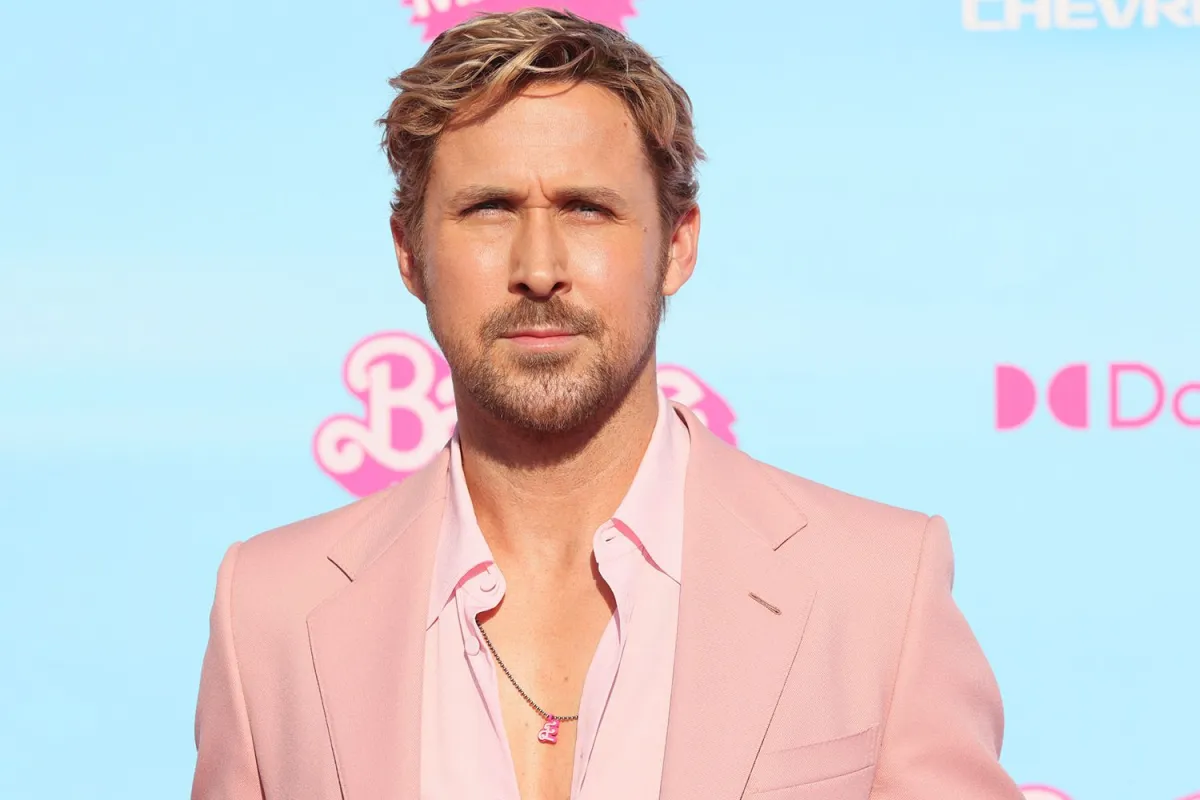 Photo: Ryan Gosling, via people.com
Early Years: From Mickey Mouse Club to Serious Actor
Gosling was born in London, Ontario, Canada, in 1980. His introduction to the entertainment industry came through the Mickey Mouse Club, the Disney Channel variety program that also launched the careers of Justin Timberlake, Britney Spears, and Christina Aguilera. Gosling joined the cast in 1993 at age twelve and remained with the show until 1995. The experience gave him professional discipline and industry exposure at an unusually young age, but his compensation during those years was modest by any standard — standard scale rates for young performers in ensemble television productions.
 Photo: London, Ontario, via c8.alamy.com
Following the Mickey Mouse Club, Gosling worked steadily in television throughout the late 1990s, including a recurring role on the Canadian series Breaker High and an appearance on Young Hercules. These were journeyman years, building craft rather than wealth. The financial inflection point would come later, and through an entirely different kind of project.
The Indie Drama Era
Gosling's ascent to serious critical recognition began with The Believer (2001), a provocative independent film that won the Grand Jury Prize at Sundance. The film paid little, but it demonstrated a capacity for complex, morally ambiguous characterization that would define his subsequent career choices. The Notebook (2004) arrived next and changed his commercial profile entirely — the romantic drama became a cultural phenomenon and introduced Gosling to a mainstream audience that had not encountered his work before. His fee for The Notebook was modest relative to the film's eventual cultural impact, with estimates placing his earnings around $1 million.
The period from 2005 to 2010 was defined by deliberate creative risk-taking. Half Nelson (2006) earned him his first Academy Award nomination for Best Actor. Lars and the Real Girl (2007) demonstrated his range in an entirely different register. Blue Valentine (2010) reinforced his reputation as an actor willing to inhabit emotionally difficult material without the safety net of commercial genre conventions. These films paid modestly — typically in the $500,000–$2 million range — but they built the artistic credibility that would later command dramatically higher fees.
La La Land, Blade Runner, and Rising Market Value
By the mid-2010s, Gosling's market value had grown substantially. Crazy, Stupid, Love (2011) and The Big Short (2015) demonstrated his ability to perform effectively in ensemble studio productions, broadening his perceived commercial utility. Damien Chazelle's La La Land (2016) was the pivotal moment: the film grossed over $446 million worldwide on a $30 million budget, earned six Academy Awards including Best Director, and earned Gosling his second Oscar nomination. His salary for La La Land is estimated at approximately $7–8 million, reflecting his significantly elevated standing.
Denis Villeneuve's Blade Runner 2049 (2017) followed, placing Gosling in the lead of a major science fiction sequel with a reported salary in the $10–12 million range. While the film underperformed commercially relative to its production budget, it further cemented Gosling's status as a performer capable of carrying large-scale productions with artistic ambition.
The Barbie Windfall
No single project has had a more dramatic impact on Gosling's financial profile than Greta Gerwig's Barbie (2023). The film, in which Gosling played Ken alongside Margot Robbie's Barbie, became a global cultural event, grossing over $1.44 billion worldwide and becoming the highest-grossing film of 2023. Gosling's compensation package for Barbie is widely reported to have included a base salary plus backend participation, with total earnings from the film estimated at $12–15 million or higher depending on the structure of his backend deal. His performance earned him an Academy Award nomination for Best Supporting Actor and a Golden Globe win, generating the kind of award-season attention that directly translates into enhanced negotiating leverage.
The Barbie moment was significant not just financially but strategically. It demonstrated that Gosling could anchor a mainstream blockbuster without compromising the credibility he had spent two decades building — a rare achievement in contemporary Hollywood.
The Fall Guy and Action Star Phase
David Leitch's The Fall Guy (2024), based on the 1980s television series, paired Gosling with Emily Blunt in an action-comedy that performed solidly at the box office. His reported salary for the project was in the $10–12 million range, consistent with his post-Barbie market position. The film confirmed that Gosling's commercial appeal had genuinely expanded beyond the prestige drama category that had defined his earlier career.
Endorsements and Production Income
Gosling's endorsement portfolio has been selective but lucrative. His partnership with Tag Heuer, the Swiss luxury watchmaker, represents one of his most prominent commercial associations, with luxury watch endorsement deals at his level typically valued at $2–4 million per campaign cycle. He has also been associated with various fashion and lifestyle brands in ways that complement rather than dilute his artistic image.
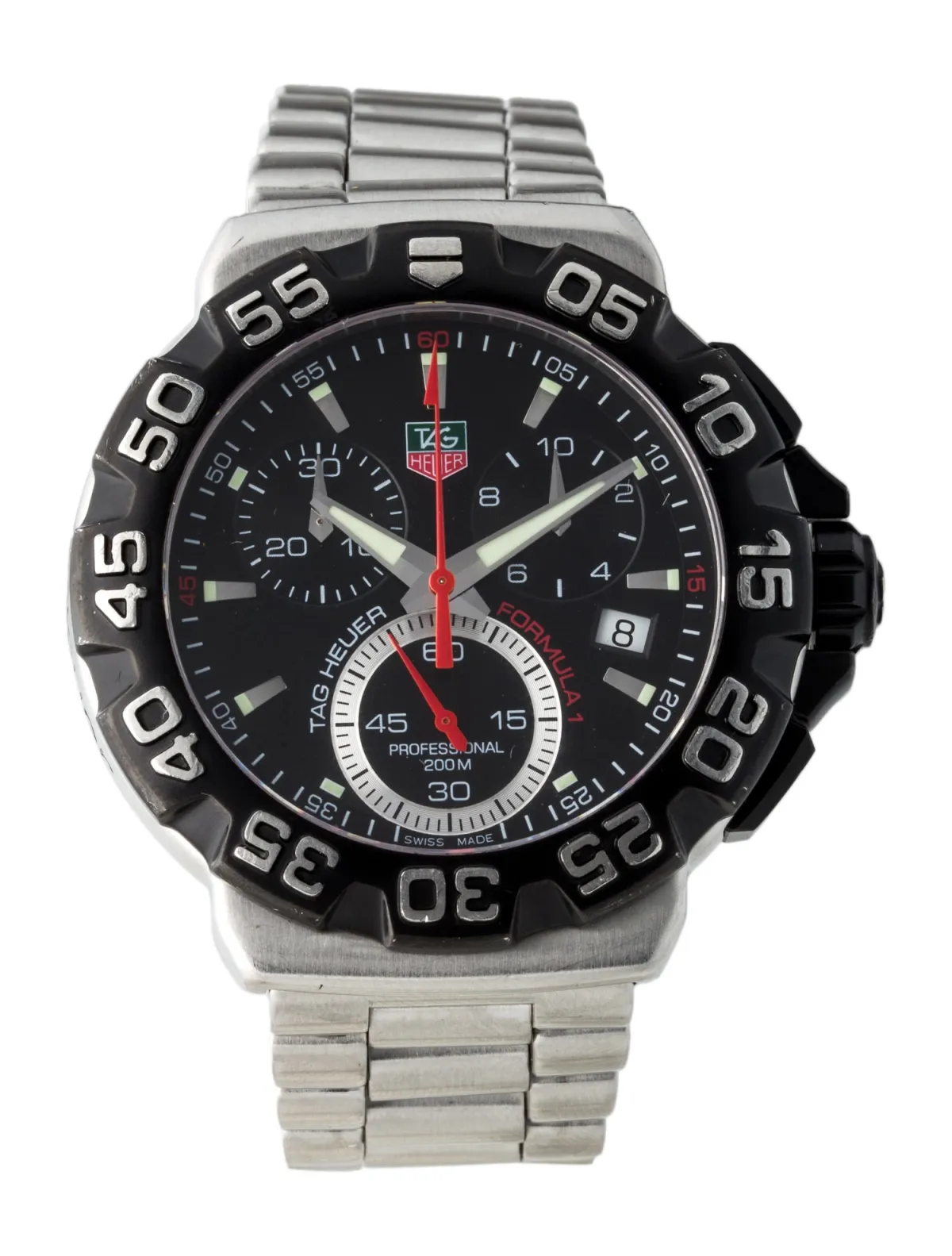 Photo: Tag Heuer, via product-images.therealreal.com
Through his production company, Gosling has development relationships with major studios, though he has been more focused on performing than producing relative to some peers. His wife, actress Eva Mendes, retired from acting to focus on their family, and the couple's joint financial management reflects a conservative personal finance philosophy.
Real Estate Holdings
Gosling and Mendes own property in Los Angeles, with holdings in desirable residential neighborhoods that represent a meaningful portion of their combined asset base. California real estate in premium locations has appreciated substantially over the period of their ownership, contributing to their overall net worth beyond entertainment earnings alone.
The Strategic Lesson
Gosling's $70 million fortune offers a genuinely useful case study in Hollywood wealth building. He did not achieve it through volume — his filmography is notably selective by the standards of actors at his commercial level. He achieved it by maintaining artistic credibility long enough that his commercial value became exceptional rather than merely solid. When Barbie arrived, he was positioned to capture an enormous financial opportunity precisely because he had not diluted his brand through indiscriminate franchise commitments. That patience, sustained over more than two decades, is the central story of how Ryan Gosling built his fortune.