Hugo Weaving's $30 Million Franchise Gamble: How Two Trilogies Created Australia's Most Strategic Actor Fortune
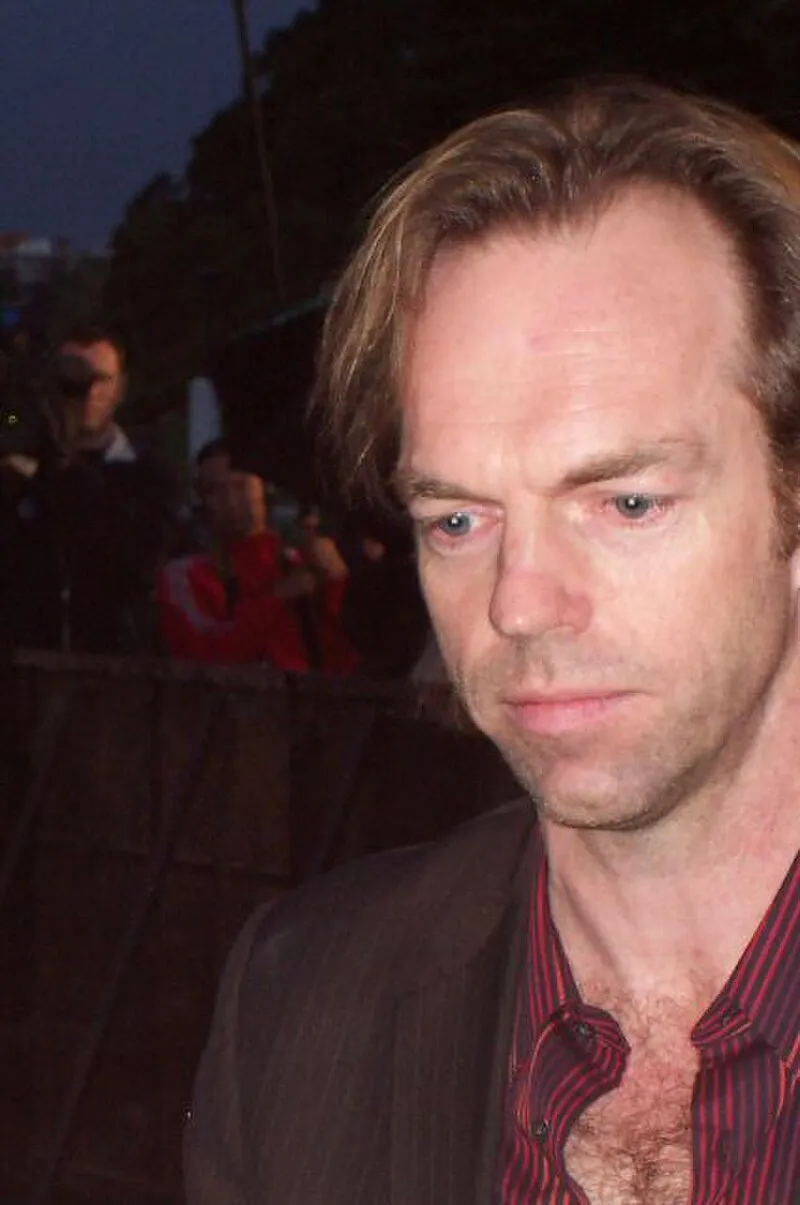
Photo of Hugo Weaving, via Wikimedia Commons
Hugo Weaving's $30 Million Franchise Gamble: How Two Trilogies Created Australia's Most Strategic Actor Fortune
Hugo Weaving's estimated $30 million net worth represents one of Hollywood's most strategically constructed fortunes, built through a remarkable convergence of timing, talent, and calculated risk-taking. The Australian actor's simultaneous participation in "The Matrix" and "The Lord of the Rings" trilogies created a unique financial windfall that continues generating returns over two decades later.
 Photo: Hugo Weaving, via energo-mash.com
The Perfect Storm: Two Franchises, One Actor
Between 1999 and 2003, Weaving achieved something unprecedented in modern cinema: starring as memorable antagonists in two of the most successful film trilogies ever made. His portrayal of Agent Smith in "The Matrix" series and Elrond in "The Lord of the Rings" trilogy created a financial foundation that most actors spend entire careers attempting to build.
For "The Matrix" (1999), Weaving reportedly earned $1 million—substantial for a relatively unknown actor at the time. However, the film's unexpected success and his memorable performance as Agent Smith secured him significantly improved deals for the sequels. "The Matrix Reloaded" and "The Matrix Revolutions" (both 2003) reportedly earned him $7 million combined, plus backend participation that added millions more.
Middle-earth's Unexpected Goldmine
Weaving's involvement in "The Lord of the Rings" trilogy proved even more lucrative in the long term. His initial deal for playing Elrond reportedly started at $2 million for "The Fellowship of the Ring" (2001), but Peter Jackson's decision to expand the character's role in subsequent films led to renegotiated contracts worth an estimated $8 million total across all three films.
 Photo: Peter Jackson, via cdn.britannica.com
More importantly, Weaving secured participation in the trilogy's extraordinary profits. With the three films generating over $2.9 billion worldwide, his backend deals reportedly added another $5-7 million to his earnings, creating a total "Lord of the Rings" payday exceeding $15 million.
The Hobbit Decision: Strategic Absence
Weaving's decision to skip "The Hobbit" trilogy offers insight into his strategic approach to wealth building. Despite reportedly being offered $5 million to reprise Elrond, he declined due to scheduling conflicts and creative concerns about the expanded storyline.
While this decision cost him immediate income, it allowed him to pursue other projects and maintain the artistic credibility that makes him valuable for future high-paying roles. Industry analysts suggest this selectivity has actually increased his long-term earning potential.
Australian Film Industry Investment
Unlike many actors who abandon their home countries after achieving international success, Weaving has maintained strong ties to Australian cinema. His production company has invested in numerous local films, creating additional revenue streams while supporting the domestic industry.
These investments, while often modest in scale, have provided steady returns and tax advantages. His involvement in films like "The Adventures of Priscilla, Queen of the Desert" (1994) continues generating residual income through international licensing and streaming rights.
Theater's Artistic and Financial Balance
Weaving's continued commitment to stage work, particularly with the Sydney Theatre Company, demonstrates his unique approach to balancing artistic fulfillment with financial strategy. While theater pays significantly less than film work, it maintains his acting skills and industry relationships that lead to higher-paying opportunities.
 Photo: Sydney Theatre Company, via xpicsly.com
His stage work also provides steady income during periods between major film projects, with leading roles in prestigious productions reportedly earning him $50,000-100,000 per run—modest by Hollywood standards but substantial for theater work.
Voice Acting's Hidden Revenue Stream
Weaving's distinctive voice has created an additional income stream through animation and video game work. His role as Megatron in the "Transformers" film series reportedly earned him $2 million across multiple films, requiring minimal time commitment compared to live-action roles.
Video game voice work, including projects like "The Matrix: Path of Neo," has added hundreds of thousands to his annual income while leveraging his existing character associations.
Sydney Real Estate Strategy
Weaving's real estate portfolio reflects his strategic approach to wealth building. His primary residence in Sydney's exclusive Mosman area, purchased in the early 2000s for approximately $2.5 million, is now valued at over $8 million due to Australia's property boom.
Additional properties in Sydney and rural New South Wales comprise a portfolio worth an estimated $12 million, providing both personal use and investment returns. His strategy of buying in established, high-demand areas has consistently outperformed broader market averages.
International Co-Production Advantages
Weaving has capitalized on Australia's co-production treaties with various countries, participating in films that qualify for multiple tax incentives and funding sources. This strategy has allowed him to command higher fees while working on projects with built-in financial advantages.
His work in films like "Cloud Atlas" (2012) and "Hacksaw Ridge" (2016) benefited from these international financing structures, maximizing both his upfront fees and backend participation opportunities.
The Character Actor Premium
Unlike leading men who often see their earning potential decline with age, Weaving's character actor status has provided more consistent work opportunities. His distinctive appearance and acting style have made him a sought-after choice for memorable supporting roles that often pay $1-3 million per film.
This consistency has provided steady income flow while avoiding the feast-or-famine cycles that affect many actors dependent on leading roles.
Streaming Era Adaptation
Weaving has successfully adapted to the streaming era, with recent work including Netflix productions that offer global exposure and competitive compensation. His involvement in streaming projects has introduced him to new audiences while providing steady, well-paying work.
Industry sources suggest his recent streaming work commands fees of $500,000-1.5 million per project, depending on the production scale and his role size.
Legacy and Future Strategy
At 64, Weaving continues working selectively, focusing on projects that offer either substantial financial compensation or significant artistic merit. His established wealth provides the luxury of choice, allowing him to turn down projects that don't meet his standards.
His $30 million fortune, built through strategic franchise participation and diversified investments, represents a masterclass in actor wealth building that prioritizes long-term financial security over short-term maximum earnings.