Gene Wilder Net Worth 2026 — How They Built Their Fortune
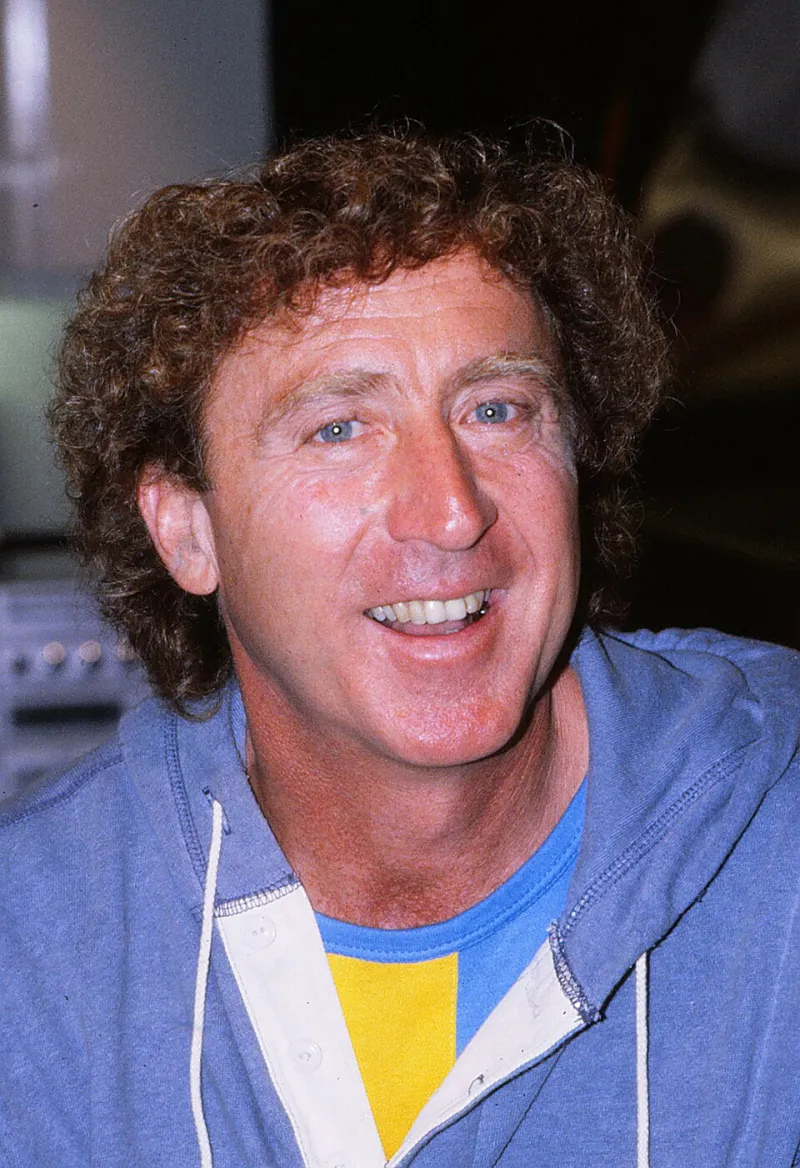
Photo: Towpilot, CC BY-SA 3.0, via Wikimedia Commons
The Chocolate Factory Owner's Sweet Financial Strategy
Gene Wilder's approach to wealth building defied Hollywood conventions, prioritizing artistic integrity and personal fulfillment over maximum earning potential. His estimated $20 million net worth at the time of his 2016 death reflected decades of thoughtful career choices and conservative financial management that created lasting value for his estate.
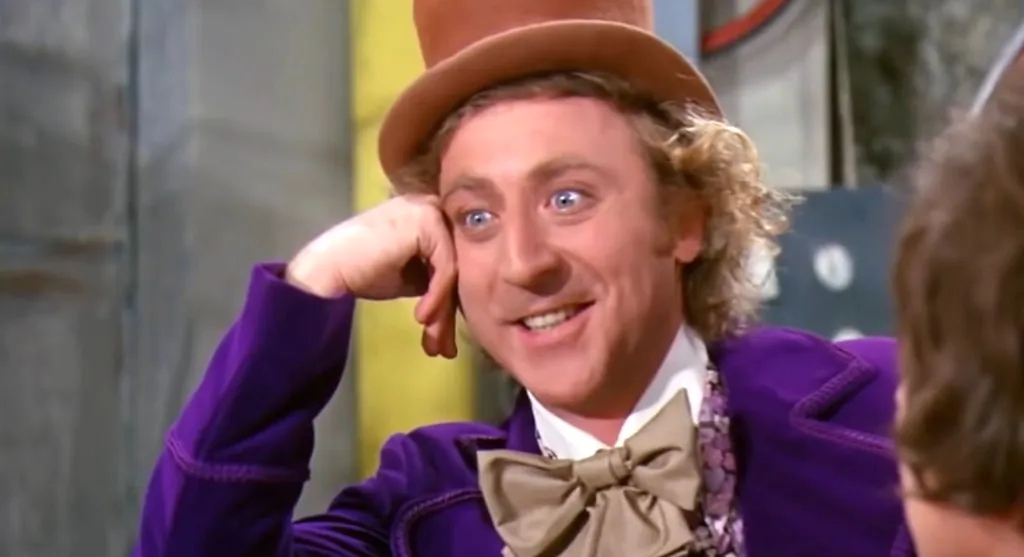 Photo: Gene Wilder, via laughingsquid.com
Early Career Foundation and Breakthrough Moments
Wilder's financial journey began with modest theater work in New York, where his collaboration with fellow actors like Zero Mostel laid groundwork for future opportunities. His breakthrough in "The Producers" alongside Mostel earned him an Oscar nomination and established his comedic credibility, though initial salaries remained relatively modest by today's standards.
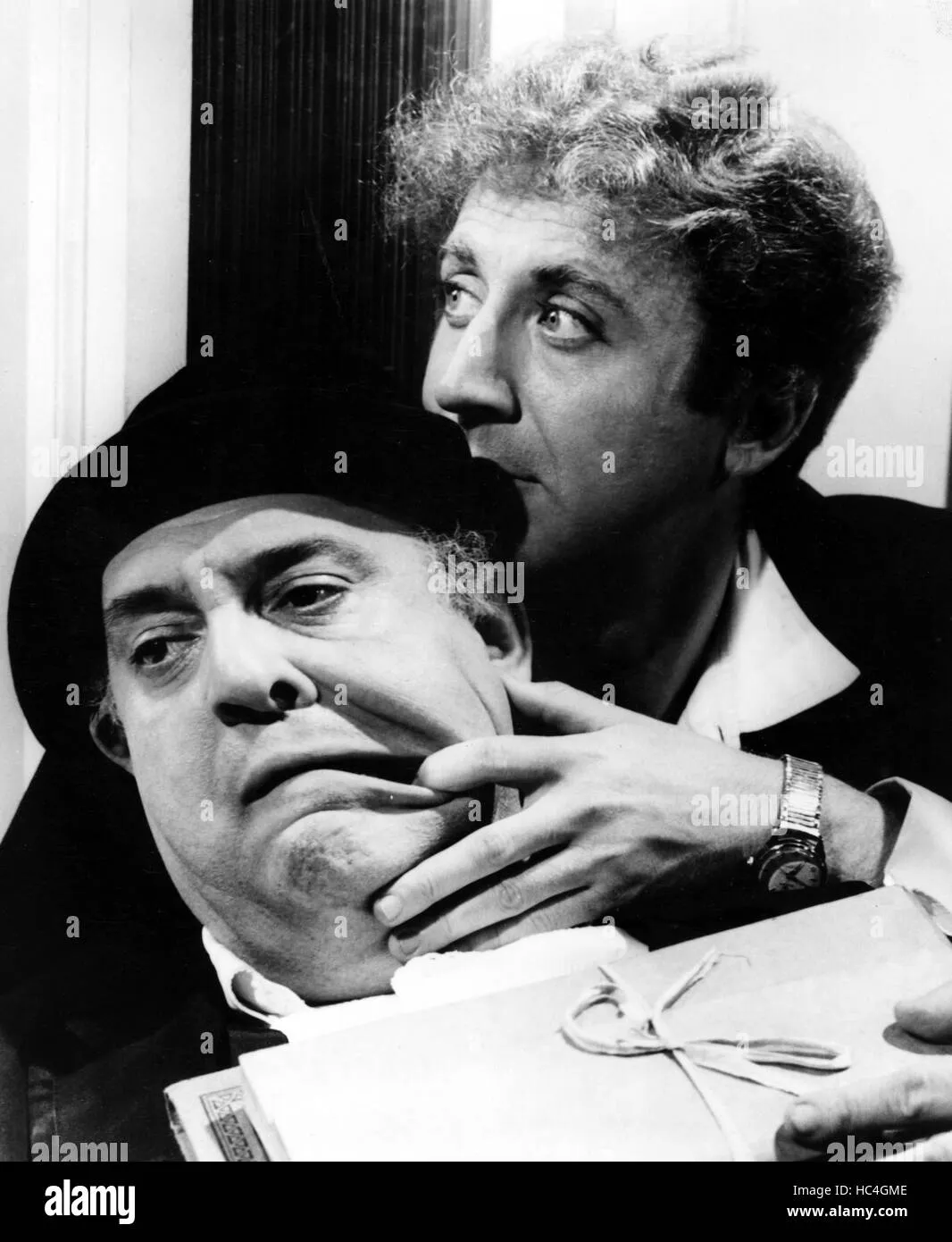 Photo: Zero Mostel, via c8.alamy.com
The transition from stage to screen brought incremental salary increases, with Wilder carefully selecting projects that balanced artistic merit with financial compensation. His partnership with Mel Brooks proved particularly lucrative, creating a collaborative relationship that generated multiple successful films and substantial earnings.
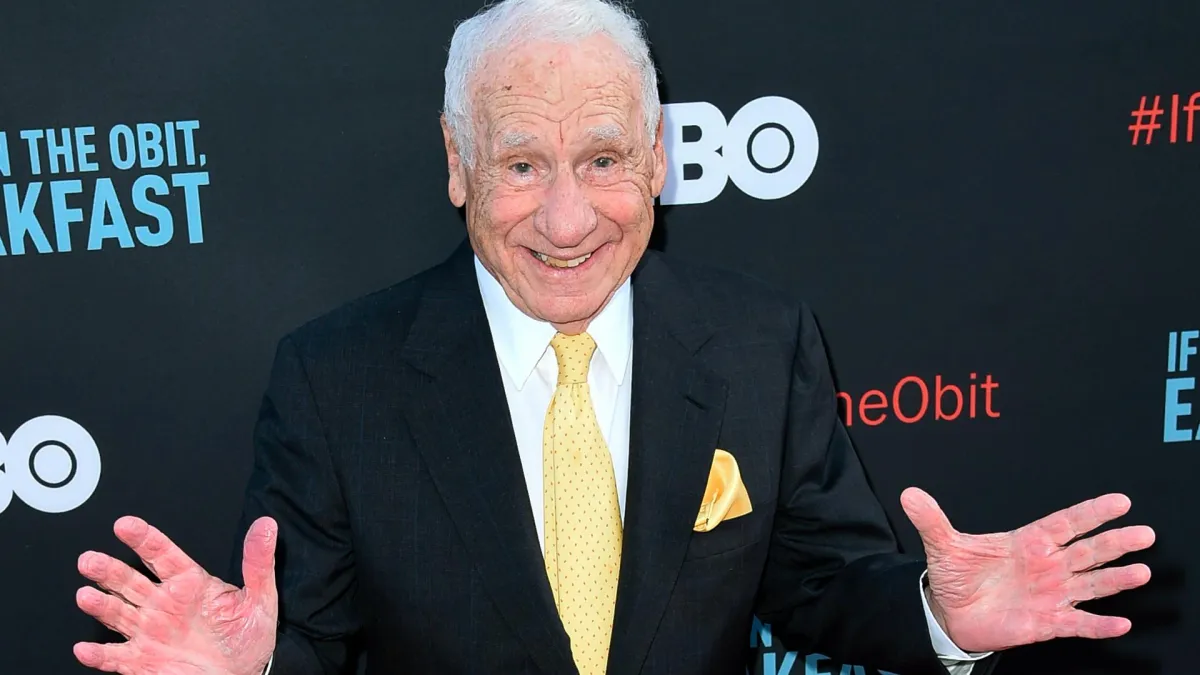 Photo: Mel Brooks, via media.tegna-media.com
The Wonka Windfall and Licensing Goldmine
"Willy Wonka & the Chocolate Factory" became Wilder's most financially significant role, though his initial $50,000 salary seemed modest compared to the film's lasting impact. The movie's enduring popularity created ongoing licensing opportunities that continue generating revenue decades later.
Wilder's estate benefits from the film's constant television broadcasts, streaming availability, and merchandise sales. The character's iconic status ensures continued commercial interest, with licensing deals extending to everything from candy products to theme park attractions. This single role created a financial legacy that far exceeded its initial compensation.
Brooks Collaboration and Comedy Success
The partnership with Mel Brooks produced financial and artistic gold through films like "Blazing Saddles" and "Young Frankenstein." These collaborations typically earned Wilder seven-figure salaries while creating culturally significant works that maintain commercial value through repeated viewings and streaming deals.
"Young Frankenstein," which Wilder co-wrote with Brooks, provided both upfront payment and ongoing royalties through its screenplay credit. The film's Broadway adaptation and continued popularity demonstrate how quality content creates multiple revenue streams over time.
Behind-the-Camera Ventures and Creative Control
Wilder's work as a writer and director expanded his earning potential beyond acting fees. His directorial efforts like "The Adventure of Sherlock Holmes' Smarter Brother" and "The World's Greatest Lover" provided greater creative control while offering additional compensation through multiple roles.
These projects, while not achieving blockbuster status, demonstrated Wilder's commitment to artistic vision over purely commercial considerations. His willingness to accept smaller budgets for creative freedom reflected a wealth-building philosophy that prioritized sustainable career longevity over short-term gains.
Strategic Career Choices and Selective Approach
Unlike many Hollywood stars who pursued maximum earning opportunities, Wilder maintained selective project criteria that emphasized quality over quantity. This approach sometimes meant turning down lucrative offers that didn't align with his artistic vision, but it preserved his reputation and ensured lasting career value.
His collaboration choices reflected careful consideration of creative partners and project quality. Working repeatedly with trusted collaborators like Brooks and Richard Pryor created reliable income streams while maintaining artistic standards that enhanced his long-term marketability.
Literary Pursuits and Diversified Income
Wilder's later career included successful ventures into writing, with novels and memoirs providing additional revenue streams. His books, including "Kiss Me Like a Stranger" and "Something to Laugh About," generated modest but consistent income while showcasing his literary talents beyond film work.
These publishing ventures demonstrated Wilder's understanding of intellectual property value and his ability to monetize his life experiences and creative insights. The books continue selling through his estate, providing ongoing income while preserving his personal story for fans.
Real Estate and Conservative Investment Philosophy
Wilder's real estate holdings reflected his modest lifestyle preferences, with a Connecticut home that appreciated steadily over decades of ownership. His conservative approach to property investment avoided the excessive spending patterns common among entertainment industry figures.
The actor's financial philosophy emphasized security over speculation, maintaining diversified investments that provided steady returns without excessive risk. This approach created a stable financial foundation that supported his selective career choices and artistic priorities.
Estate Planning and Legacy Management
Wilder's estate planning reflected his careful approach to financial management, ensuring his wealth would be preserved and properly distributed according to his wishes. The estate's current management focuses on maintaining his artistic legacy while maximizing financial returns from his extensive catalog.
His widow's involvement in estate management ensures decisions align with Wilder's values and artistic vision. This careful stewardship has enhanced the estate's value while preserving the integrity of his creative work.
Streaming Era Renaissance and Revenue Growth
The digital streaming revolution has significantly increased Wilder's estate value through renewed interest in classic films. Platforms like Netflix, Amazon Prime, and Hulu pay substantial licensing fees for his content, introducing his work to new generations while generating consistent income.
This technological shift demonstrates how quality content maintains commercial value across changing distribution methods. Wilder's estate benefits from multiple platform deals, creating diversified revenue streams that weren't available during his lifetime.
The Sustainable Success Model
Gene Wilder's financial legacy illustrates an alternative approach to Hollywood wealth building, emphasizing artistic fulfillment and sustainable practices over maximum short-term earnings. His estate's continued growth demonstrates how thoughtful career management and quality content creation can generate lasting financial value that extends far beyond an actor's working years.