Robin Williams Net Worth 2026 — How They Built Their Fortune
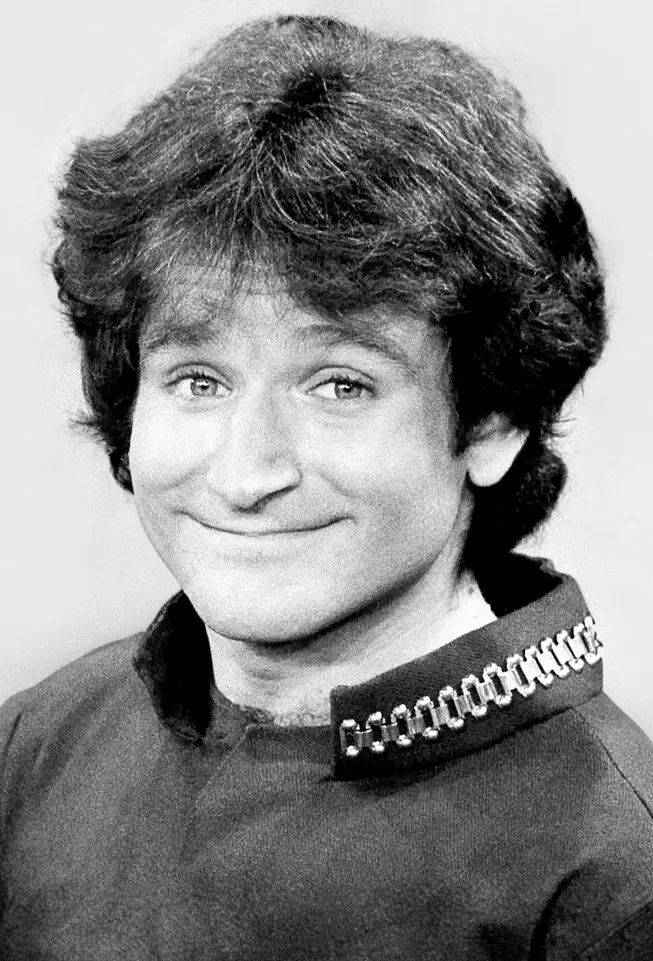
Photo: ABC, Public domain, via Wikimedia Commons
The Comedy Legend's Complex Financial Portrait
Robin Williams' financial story represents both the heights of entertainment industry success and the challenges that even beloved superstars can face. At his career peak, Williams commanded $20 million per film and maintained an estimated net worth of $50 million, though financial pressures and costly divorces significantly impacted his wealth in later years.
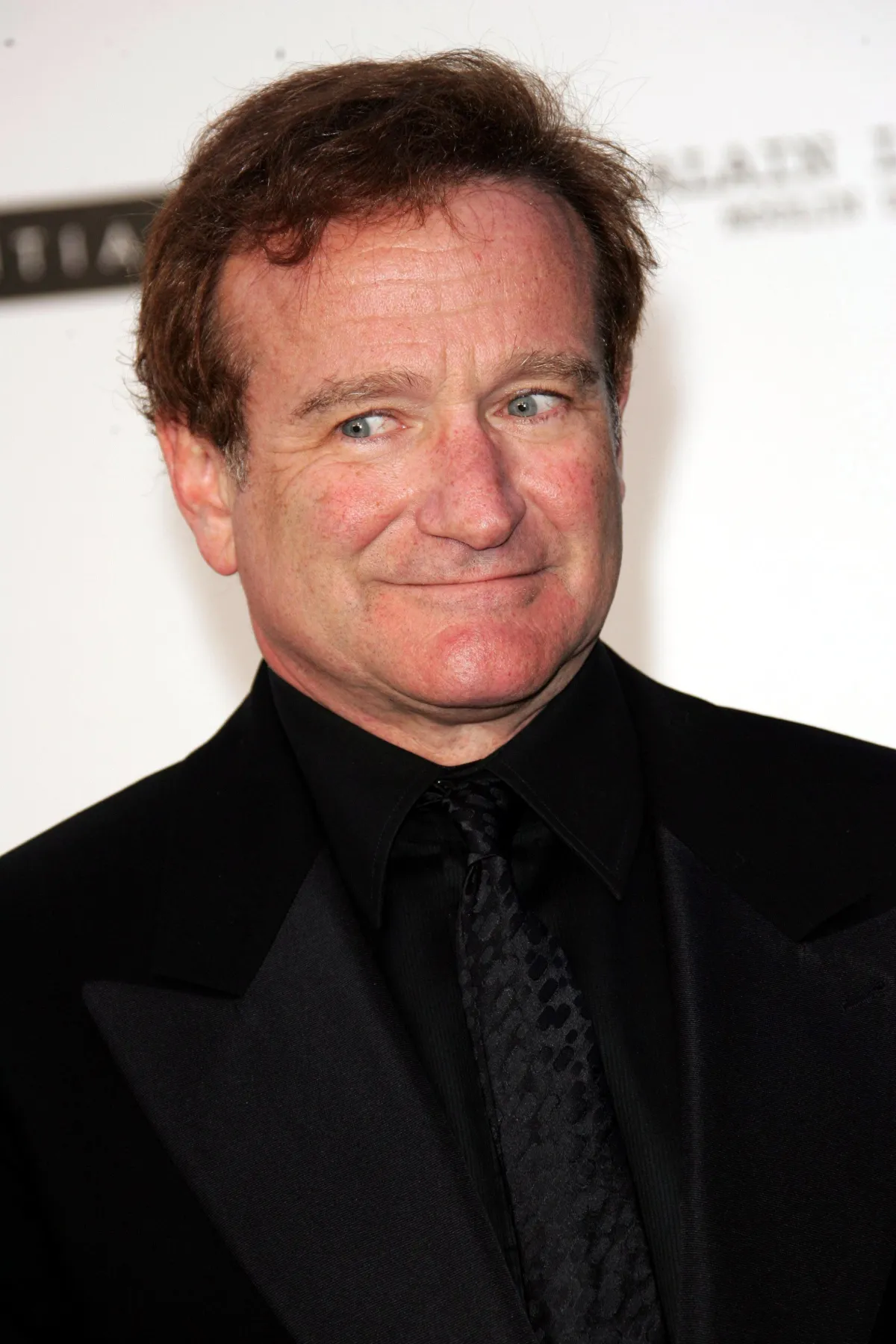 Photo: Robin Williams, via static1.srcdn.com
From Stand-Up Stages to Hollywood Gold
Williams' journey to financial success began in San Francisco's comedy clubs during the 1970s, where his improvisational genius quickly distinguished him from peers. His breakthrough role as Mork in "Mork & Mindy" earned him $30,000 per episode by the series' end, establishing his initial Hollywood fortune and proving television's potential for wealth generation.
 Photo: San Francisco, via i.redd.it
The transition to film brought exponential earning increases, with early successes like "Good Morning, Vietnam" and "Dead Poets Society" commanding seven-figure salaries. Williams' unique ability to balance dramatic performances with comedic brilliance made him one of Hollywood's most bankable stars throughout the 1990s.
Blockbuster Paydays and Box Office Dominance
"Mrs. Doubtfire" marked Williams' entry into Hollywood's elite earning tier, with his $5 million base salary supplemented by substantial backend participation that pushed total compensation above $15 million. The film's $441 million worldwide gross demonstrated Williams' box office appeal and justified increasingly lucrative deals.
Subsequent projects like "Jumanji," "The Birdcage," and "Good Will Hunting" solidified his $20 million per film asking price. His Oscar win for "Good Will Hunting" further elevated his market value, though Williams often chose passion projects over maximum paydays, balancing artistic fulfillment with financial considerations.
Voice Acting Goldmine and Disney Partnership
Williams' portrayal of the Genie in Disney's "Aladdin" created unexpected revenue streams beyond his initial $75,000 voice acting fee. While contractual disputes limited his immediate merchandising participation, the role's cultural impact generated ongoing licensing opportunities and established Williams as a voice acting pioneer.
The character's enduring popularity continues benefiting his estate through various Disney projects and merchandise, demonstrating how iconic performances create lasting financial value. Williams' innovative approach to voice acting influenced industry standards and opened new revenue possibilities for performers.
Television Returns and Steady Income Streams
Later career television work, including "The Crazy Ones," provided steady income during periods between major film projects. These roles, while paying less than blockbuster films, offered consistent earnings and maintained Williams' public visibility, supporting his overall brand value.
Guest appearances and hosting gigs supplemented his primary income, with Williams commanding substantial fees for special appearances and award show hosting duties. His reputation for spontaneous brilliance made him a sought-after performer for high-profile events.
Real Estate Holdings and Investment Challenges
Williams' real estate portfolio included a Napa Valley estate valued at $35 million and a San Francisco home worth approximately $10 million. These properties represented significant wealth accumulation, though maintenance costs and property taxes created ongoing financial obligations.
 Photo: Napa Valley, via www.fontica.com
His Napa Valley ranch, featuring a 20,000-square-foot main house and extensive grounds, became a financial burden during his later years. The property's eventual sale highlighted the challenges of maintaining expensive real estate during career transitions and personal difficulties.
Financial Pressures and Divorce Settlements
Two costly divorce settlements significantly impacted Williams' net worth, with alimony obligations reportedly reaching $30 million annually. These financial commitments necessitated continued high-earning projects and limited his ability to pursue lower-paying passion projects exclusively.
The financial pressure contributed to Williams' decision to return to television with "The Crazy Ones," despite his preference for film and stand-up work. These obligations demonstrated how personal circumstances can influence career decisions for even highly successful entertainers.
Estate Management and Posthumous Earnings
Following Williams' 2014 death, his estate faced complex valuation challenges due to ongoing financial obligations and intellectual property rights. Initial disputes among heirs were eventually resolved, allowing for strategic management of his extensive catalog and personal effects.
Streaming platforms have since acquired Williams' filmography, creating new revenue streams for his estate. Netflix, Hulu, and other services pay substantial licensing fees for his content, introducing his work to new audiences while generating ongoing income.
Licensing Legacy and Cultural Impact
Williams' estate continues monetizing his image and performances through carefully managed licensing agreements. His iconic characters and memorable quotes generate revenue through merchandise, documentaries, and tribute projects that honor his legacy while providing financial returns.
The ongoing cultural reverence for Williams' work ensures sustained commercial interest in his catalog. His influence on comedy and film creates lasting value that extends beyond traditional celebrity estate management.
The Financial Complexity of Genius
Robin Williams' financial story illustrates both the tremendous wealth potential of entertainment success and the personal challenges that can impact even the most talented performers. His estate's current management reflects lessons learned from his financial struggles, focusing on sustainable revenue generation while preserving his artistic legacy for future generations.