Malcolm McDowell Net Worth 2026 — How They Built Their Fortune
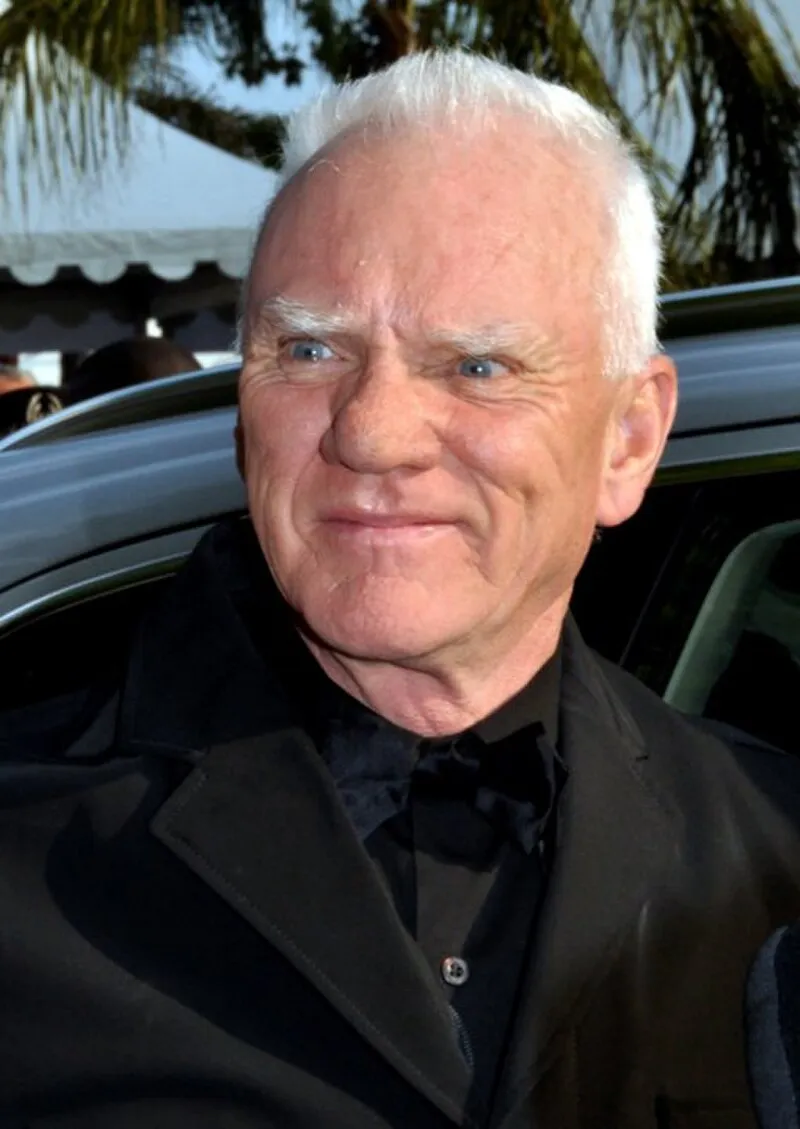
Photo of Malcolm McDowell, via Wikimedia Commons
In an industry that frequently discards its most unconventional talents, Malcolm McDowell has done something remarkable: he has made his unconventionality a durable economic asset. With an estimated net worth of $10 million as of 2026, the British actor has leveraged cult status, prolific output, and a willingness to work across every tier of the entertainment industry into a financial profile that remains active and growing well into his eighties.
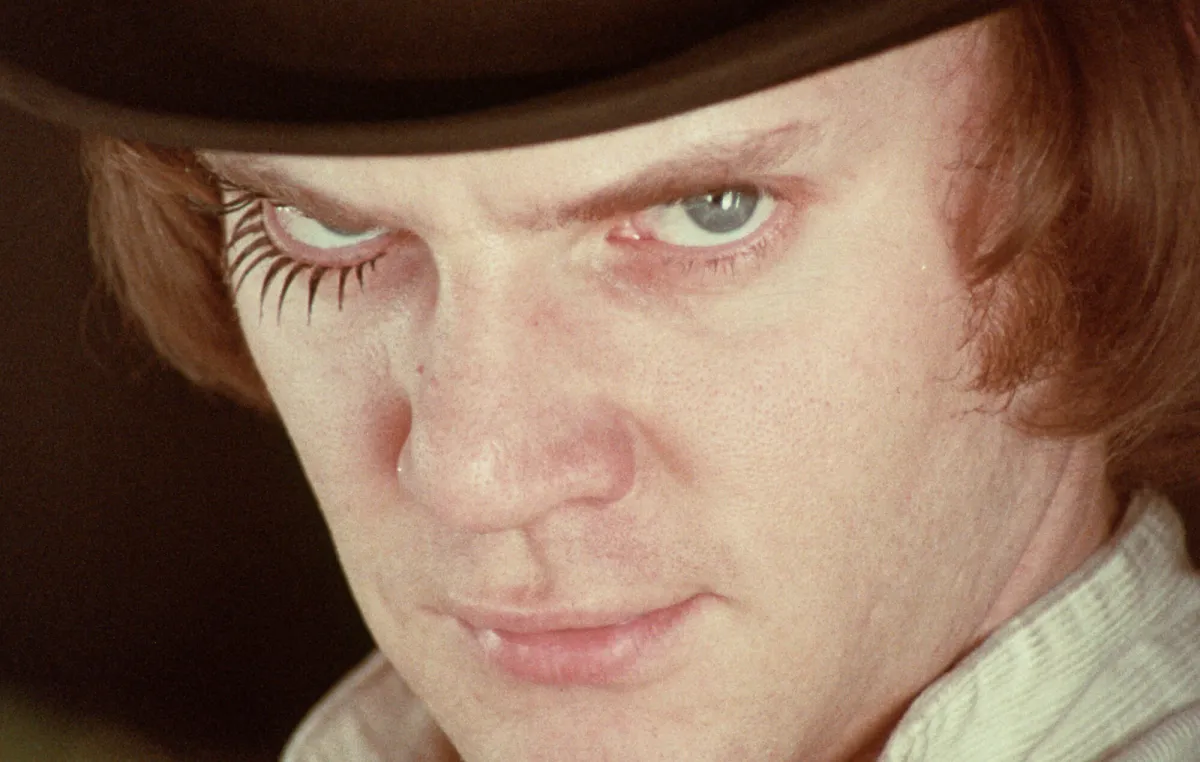 Photo: Malcolm McDowell, via www.nme.com
Origins: The British New Wave
Born Malcolm John Taylor in Leeds, England in 1943, McDowell came of age during a period of significant cultural ferment in British cinema. His breakthrough came with Lindsay Anderson's If.... (1968), a provocative boarding school drama that positioned him as the face of British youth rebellion. The film was made on a modest budget, and McDowell's fee reflected that reality — likely in the range of a few thousand pounds. However, the critical reception was exceptional, and McDowell was suddenly one of the most talked-about young actors in the United Kingdom.
The financial rewards of that period were limited, but the reputational capital was immense. If.... established the template for the McDowell persona: intelligent, dangerous, faintly aristocratic, and deeply unsettling.
A Clockwork Orange: The Role That Defined Everything
Stanley Kubrick cast McDowell as Alex DeLarge in A Clockwork Orange (1971), and the resulting film became one of the most controversial and culturally significant works in cinema history. McDowell's fee for the film was relatively modest by today's standards — industry historians estimate he received approximately $100,000 — but the role transformed his career in ways that no single paycheck could quantify.
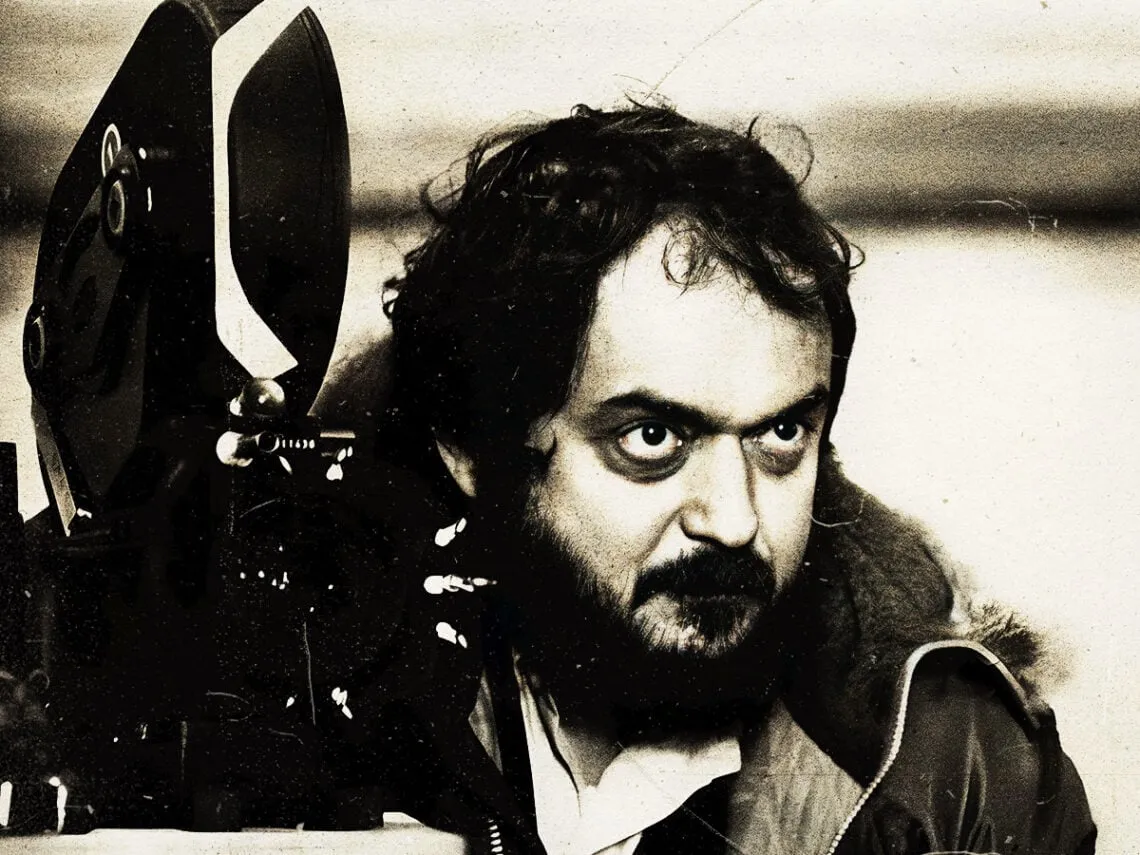 Photo: Stanley Kubrick, via faroutmagazine.co.uk
A Clockwork Orange was banned in the United Kingdom for nearly 27 years, a restriction that paradoxically amplified its mystique and McDowell's association with transgressive art. In the United States, the film performed strongly at the box office, earning $26 million domestically against a budget of approximately $2 million. McDowell did not participate meaningfully in the film's backend profits, a common outcome for actors of that era, but the cultural dividend has paid returns across five subsequent decades.
The licensing and merchandising ecosystem that has grown around A Clockwork Orange — including posters, apparel, collectibles, and home entertainment releases — generates ongoing royalty income that McDowell has consistently described as a meaningful component of his annual earnings. Estimates suggest this passive income stream produces between $100,000 and $300,000 per year, depending on the volume of new licensing agreements and anniversary releases.
Hollywood's Embrace and the Caligula Controversy
McDowell's transition to American productions brought mixed results in the late 1970s. His appearance in Caligula (1979) — a production that became infamous for its explicit content added by producer Bob Guccione without the cast's consent — created professional complications that McDowell has addressed publicly on numerous occasions. Despite the controversy, the film has maintained a persistent cult following and continues to generate licensing income decades after its release.
More commercially significant was McDowell's role as H.G. Wells in Nicholas Meyer's Time After Time (1979), a charming science fiction adventure that performed respectably at the box office and demonstrated his capacity for leading-man warmth alongside his more menacing register.
Halloween and the Horror Franchise Economy
Rob Zombie's decision to cast McDowell as Dr. Samuel Loomis in the Halloween reboot (2007) and its sequel Halloween II (2009) introduced McDowell to the contemporary horror franchise economy — a sector that has proven remarkably lucrative for character actors of his profile. While the specific fees are not publicly disclosed, principal cast members in mid-budget horror franchise productions of that era typically earned between $500,000 and $1.5 million per picture. The two films collectively grossed over $100 million worldwide.
 Photo: Rob Zombie, via www.loadeddicefilms.com
McDowell's entry into horror franchise work opened additional doors in the genre, leading to appearances in numerous horror and genre productions throughout the 2010s. His willingness to appear in lower-budget productions — where his name carries significant marketing value — has made him a consistent presence in the direct-to-video and streaming horror markets, where fees of $50,000 to $200,000 per project are standard for talent of his recognition level.
Television: The Steady Income Engine
Perhaps the most underappreciated component of McDowell's financial story is his extensive television career. His recurring role as Caius Ballad in Heroes (2008-2009), appearances in Franklin & Bash, Entourage, Mozart in the Jungle, and dozens of other series have provided a steady income foundation that film work alone cannot guarantee. Television fees for guest and recurring roles at McDowell's level typically range from $25,000 to $100,000 per episode, depending on the network and the scope of the engagement.
Voiceover work has also been a significant revenue contributor. McDowell has lent his distinctive voice to numerous animated series and video games, including the Saints Row franchise, where he voiced the main antagonist. Video game voice work for major titles can command fees of $50,000 to $150,000 for a principal character, and McDowell has accumulated a substantial catalog of such credits.
The Convention Circuit: Cult Status Monetized
Few actors have converted cult status into convention circuit income as effectively as Malcolm McDowell. His appearances at horror conventions, science fiction expos, and pop culture events across the United States and internationally represent a meaningful and growing revenue stream. Convention appearance fees for talent of McDowell's recognition level typically range from $20,000 to $60,000 per event, with autograph and photo opportunity revenues adding substantially to that base. Industry observers estimate that McDowell participates in 15 to 25 convention appearances per year, generating between $400,000 and $1 million annually from this channel alone.
The convention economy has been particularly resilient in the post-pandemic era, with fan demand for in-person experiences driving increased event attendance and higher talent fees. McDowell's A Clockwork Orange legacy ensures that demand for his appearances remains robust regardless of his current project slate.
Real Estate and Financial Profile
McDowell and his wife, Kelley Kuhr, are based in Los Angeles. Their real estate holdings are estimated at approximately $2 million to $3 million, representing a conservative but stable component of their overall wealth. McDowell has spoken candidly in interviews about the financial volatility of an acting career and has emphasized the importance of working consistently rather than waiting for high-profile opportunities.
The 2026 Picture
At 82, Malcolm McDowell continues to work at a pace that would exhaust performers decades younger. His combination of passive licensing income from A Clockwork Orange, active convention circuit participation, ongoing television and voice work, and selective film appearances produces an estimated annual income in the range of $1 million to $2 million. With an estimated net worth of $10 million, McDowell's story is ultimately one of strategic adaptability — a demonstration that cult status, properly managed, is not a consolation prize but a genuine and durable financial asset.