Robert De Niro's $500 Million Empire: From Method Acting to Restaurant Mogul

Photo of Robert De Niro, via Wikimedia Commons
Robert De Niro's $500 Million Empire: From Method Acting to Restaurant Mogul
Robert De Niro stands as one of Hollywood's most successful actor-entrepreneurs, with an estimated net worth of $500 million that spans far beyond his legendary film career. The 81-year-old icon has masterfully balanced artistic integrity with commercial success, building a fortune through strategic investments and business ventures that complement his acting legacy.
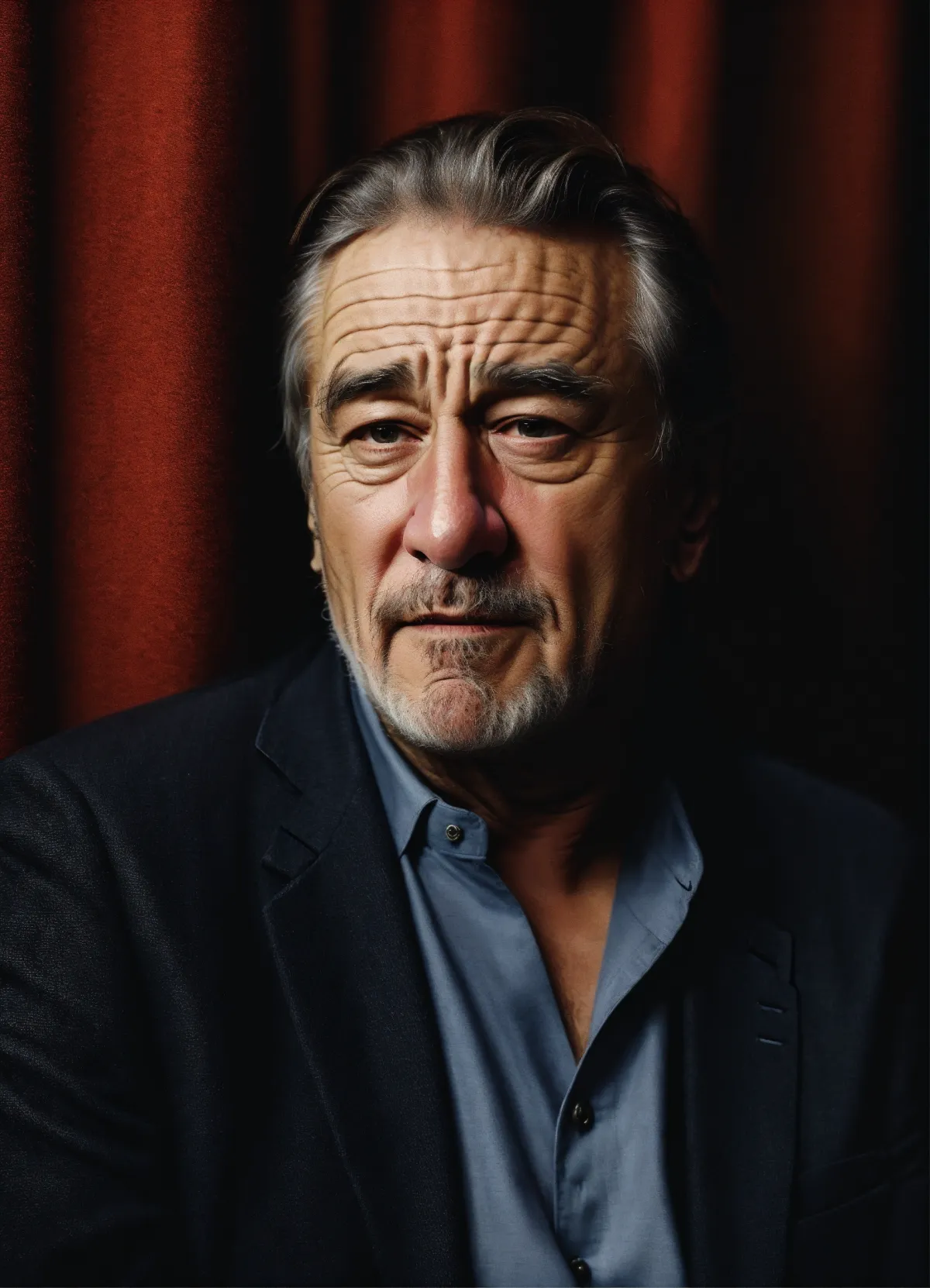 Photo: Robert De Niro, via image.lexica.art
The Foundation: Early Career and Breakthrough Success
De Niro's wealth journey began in the 1970s with breakthrough performances in Martin Scorsese's Mean Streets and The Godfather Part II, which earned him his first Academy Award. His method acting approach, while demanding extensive preparation, positioned him as one of cinema's most respected performers, commanding increasingly higher salaries throughout the decade.
By the 1980s, De Niro was earning $1-3 million per film for roles in Raging Bull, The King of Comedy, and Goodfellas. His collaboration with Scorsese proved particularly lucrative, as their films consistently performed well both critically and commercially, establishing De Niro's reputation as a bankable star capable of carrying major studio productions.
Peak Earning Years: The 1990s Commercial Surge
The 1990s marked De Niro's transition into more commercially oriented projects, significantly boosting his earning power. Films like Cape Fear, Heat, and Casino commanded salaries in the $8-12 million range. His willingness to embrace comedy in Meet the Parents (2000) opened an entirely new revenue stream, with the franchise generating over $500 million worldwide.
This period also saw De Niro's first major business venture: the establishment of the Tribeca Film Festival in 2002, created as a response to the September 11 attacks. While initially a community service project, the festival has grown into a significant cultural institution that enhances De Niro's brand value and provides networking opportunities for future investments.
 Photo: Tribeca Film Festival, via cdn.justjared.com
The Nobu Empire: Restaurant Industry Success
De Niro's most successful business venture remains his partnership in the Nobu restaurant empire, co-founded with chef Nobu Matsuhisa in 1994. Starting with a single location in New York's Tribeca neighborhood, the brand has expanded to over 50 locations worldwide, including luxury hotels.
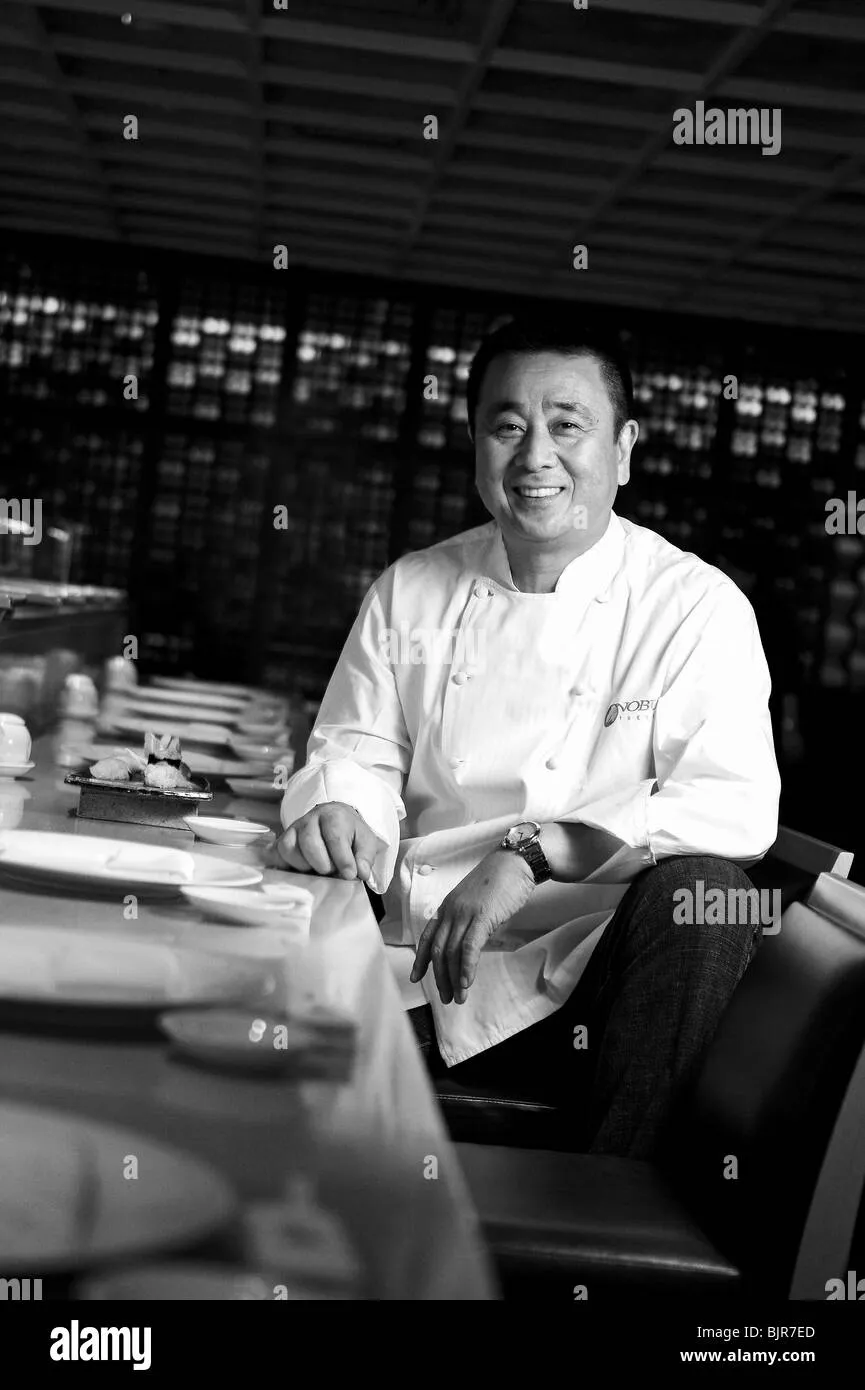 Photo: Nobu Matsuhisa, via c8.alamy.com
Industry experts estimate De Niro's stake in Nobu Hospitality to be worth approximately $200 million, representing nearly 40% of his total net worth. The brand's expansion into hotels, with properties in Las Vegas, Miami, and London, has provided steady revenue streams independent of his film career fluctuations.
Real Estate Portfolio and Strategic Investments
De Niro's real estate holdings reflect both personal taste and investment acumen. His primary residence, a $20 million townhouse in Manhattan's Upper East Side, anchors a portfolio that includes properties in the Hamptons and upstate New York. His Tribeca-based Greenwich Hotel, another collaboration with hospitality partners, represents both a business investment and a commitment to his neighborhood's revitalization.
The actor has also invested in various entertainment-related ventures, including production companies and technology startups focused on film distribution. These investments, while smaller than his restaurant empire, demonstrate his understanding of industry trends and emerging markets.
Recent Projects and Streaming Success
De Niro's recent work includes high-profile streaming projects for Netflix and Apple TV+, reflecting the industry's shift toward digital platforms. His role in The Irishman (2019) reportedly earned him $20 million, while subsequent streaming deals have maintained his relevance with younger audiences and provided substantial paychecks for less physically demanding work.
His production company, Tribeca Productions, continues developing projects that leverage his industry relationships and creative vision. These ventures provide both immediate income and potential long-term royalty streams from successful properties.
Financial Strategy and Wealth Management
Unlike many actors who focus solely on per-project earnings, De Niro has consistently reinvested in businesses that complement his entertainment career. His approach emphasizes diversification across hospitality, real estate, and entertainment, reducing dependence on film industry volatility.
His team of financial advisors has helped structure investments to provide steady cash flow during periods between major film projects. This strategy has proven particularly valuable as De Niro has become more selective about roles, prioritizing projects that align with his artistic vision while maintaining his business empire.
Legacy and Future Outlook
At 81, De Niro shows no signs of slowing down, with multiple projects in development and continued expansion of his business interests. His approach to wealth building—combining artistic excellence with strategic business investments—provides a blueprint for entertainers seeking long-term financial security.
The Nobu brand continues expanding internationally, while his real estate investments appreciate in value. His entertainment industry investments position him to benefit from ongoing changes in how content is produced and distributed.
Robert De Niro's $500 million fortune represents more than successful acting career earnings—it reflects a comprehensive approach to building generational wealth through strategic partnerships, brand development, and calculated risks that have paid dividends for decades.