Dennis Hopper Net Worth 2026 — How They Built Their Fortune

Photo: unknown (Filmgroup), Public domain, via Wikimedia Commons
The Counterculture Icon's Lasting Financial Impact
Dennis Hopper's estimated net worth at the time of his 2010 death reached approximately $40 million, a figure that has continued growing through strategic estate management and renewed interest in his groundbreaking work. The actor, director, and artist built his fortune through a combination of film earnings, art collecting, and real estate investments that reflected his rebellious spirit and keen business instincts.
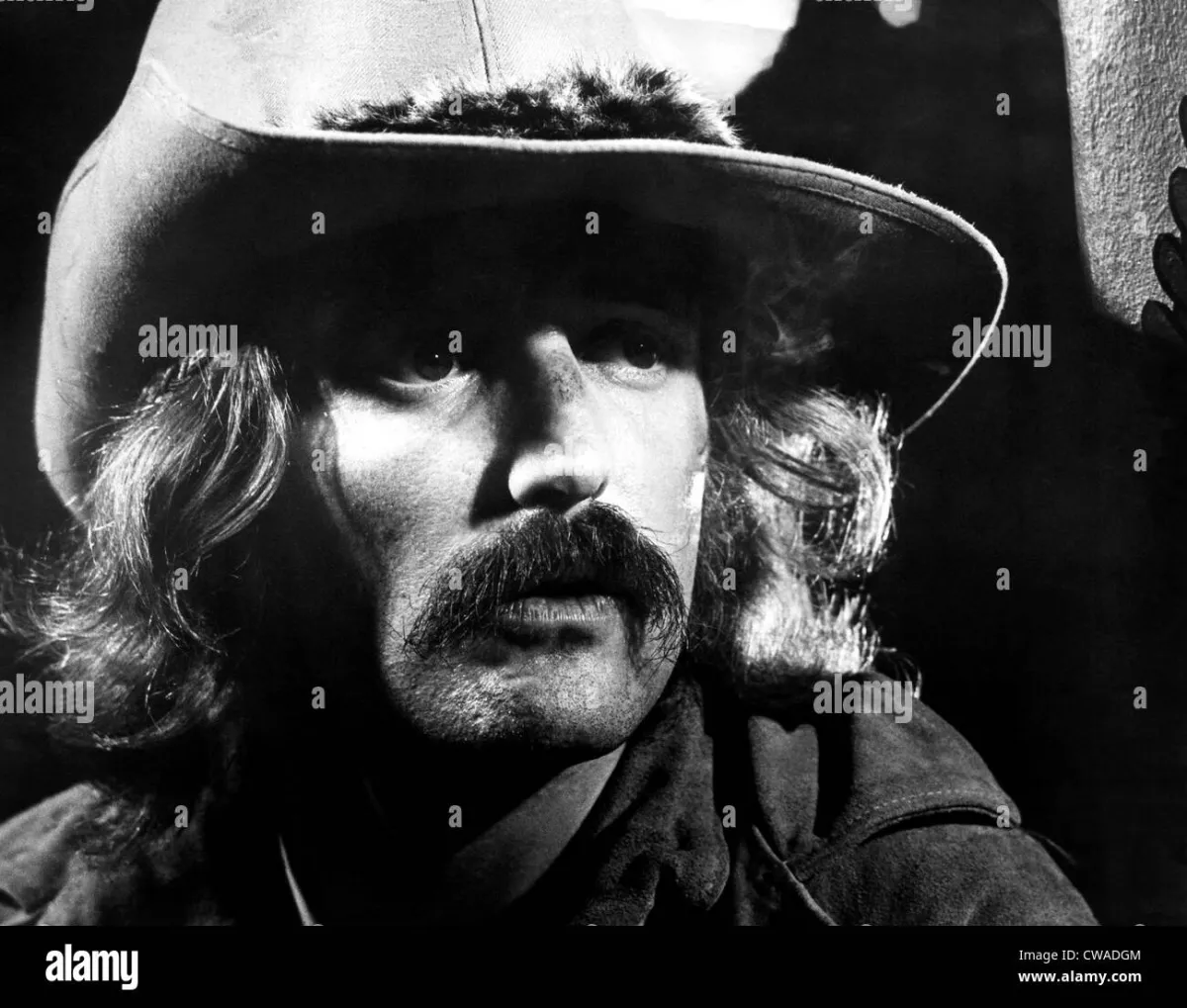 Photo: Dennis Hopper, via c8.alamy.com
Breaking Through Hollywood's Golden Age
Hopper's financial journey began in the 1950s with supporting roles in films like "Rebel Without a Cause" alongside James Dean. These early appearances, while modest in pay, established crucial industry connections that would prove invaluable throughout his career. His association with Dean and the emerging method acting movement positioned him within Hollywood's evolving landscape.
 Photo: James Dean, via www.doctormacro.com
The actor's breakthrough as a financial force came with 1969's "Easy Rider," which he co-wrote, directed, and starred in alongside Peter Fonda and Jack Nicholson. Made for just $400,000, the film grossed over $60 million worldwide, with Hopper's multiple roles earning him substantial backend profits that established his initial wealth foundation.
The Art Collector's Strategic Investments
Beyond film earnings, Hopper demonstrated remarkable foresight in art collecting, amassing a collection valued at over $20 million at its peak. His eye for emerging artists led to acquisitions of works by Andy Warhol, Roy Lichtenstein, and Basquiat years before their market values exploded. This passion project became a significant wealth generator, with individual pieces appreciating by thousands of percent over decades.
Hopper's Venice Beach compound served as both residence and gallery, housing his extensive collection while appreciating in value as Los Angeles real estate soared. The property's unique artistic modifications and celebrity provenance added premium value beyond typical market rates.
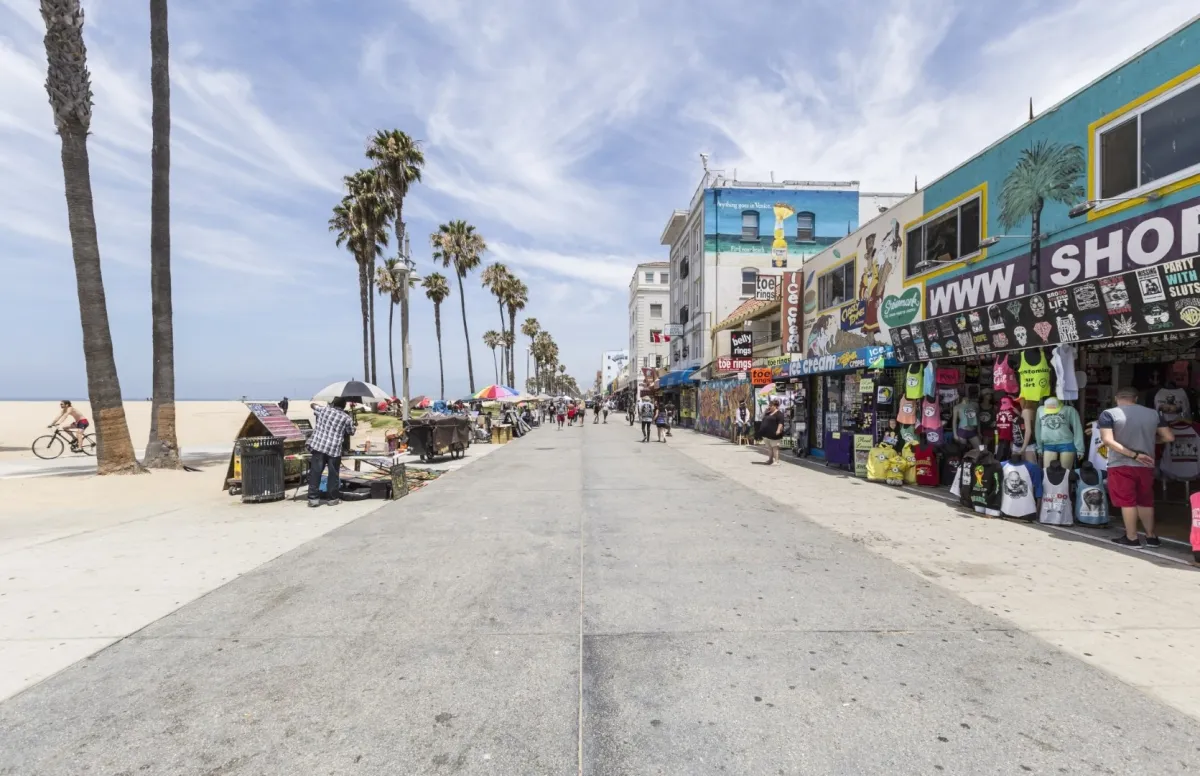 Photo: Venice Beach, via www.californiabeaches.com
Career Resurgence and Late-Period Earnings
The 1980s marked Hopper's financial renaissance, with memorable performances in "Blue Velvet" and "Hoosiers" reestablishing his commercial viability. His portrayal of Frank Booth in David Lynch's "Blue Velvet" earned critical acclaim and opened doors to higher-paying character roles throughout the following decades.
Television work, including guest appearances and recurring roles, provided steady income streams while maintaining his cultural relevance. These projects, while individually modest, accumulated significant earnings over time and expanded his licensing portfolio.
Real Estate Portfolio and Venice Beach Legacy
Hopper's primary residence in Venice Beach became legendary within entertainment circles, serving as both home and artistic sanctuary. The compound's value appreciated dramatically as the neighborhood gentrified, transforming from bohemian enclave to high-end coastal community. His estate's real estate holdings extended beyond the main property, including additional Venice parcels acquired during the area's affordable years.
The strategic timing of these purchases, made when Venice was considered undesirable by mainstream buyers, demonstrated Hopper's ability to recognize value before market appreciation. His contrarian investment approach mirrored his artistic sensibilities, finding worth in overlooked opportunities.
Estate Management and Posthumous Revenue
Since Hopper's passing, his estate has maintained value through careful management of his artistic legacy and intellectual property rights. Licensing deals for "Easy Rider" and other iconic films continue generating revenue, while his art collection provides ongoing appreciation potential.
Streaming platform acquisitions of Hopper's filmography have created new revenue streams, introducing his work to younger audiences while monetizing his extensive catalog. These digital distribution deals often include favorable terms for estates, ensuring continued income generation.
The Financial Philosophy Behind the Rebellion
Hopper's wealth accumulation strategy reflected his artistic philosophy, emphasizing authenticity over mainstream appeal. His investment choices, from counterculture art to Venice Beach real estate, demonstrated belief in alternative value systems that ultimately proved financially prescient.
His approach to wealth building avoided traditional Hollywood excess, instead focusing on assets that aligned with his personal interests and cultural values. This authentic investment strategy created lasting value while maintaining artistic integrity.
Legacy Valuation in 2026
Today, Dennis Hopper's estate continues benefiting from his diverse portfolio of assets and intellectual property. The combination of appreciated real estate, valuable art holdings, and ongoing film licensing creates a financial legacy that extends far beyond his acting career. His estate's current estimated value reflects both his artistic contributions and strategic investment decisions that continue paying dividends more than a decade after his death.