Christian Bale's $120 Million Method Acting Fortune: How Extreme Transformations Built Hollywood's Most Dedicated Wealth
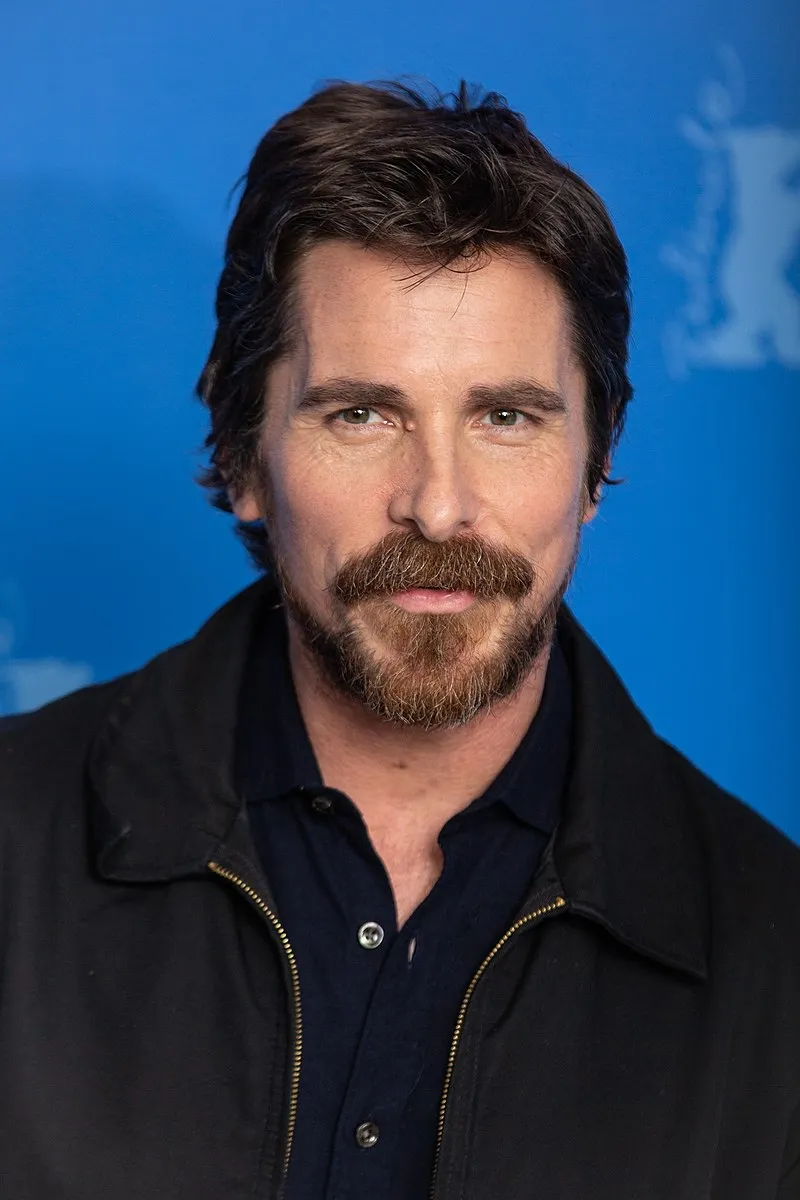
Photo of Christian Bale, via Wikimedia Commons
Christian Bale's $120 Million Method Acting Fortune: How Extreme Transformations Built Hollywood's Most Dedicated Wealth
Christian Bale's estimated $120 million net worth stands as a testament to the financial rewards of unwavering artistic commitment. The Welsh-born actor has built his fortune through a career defined by extreme physical transformations and methodical role preparation that has captivated audiences and directors alike for over three decades.
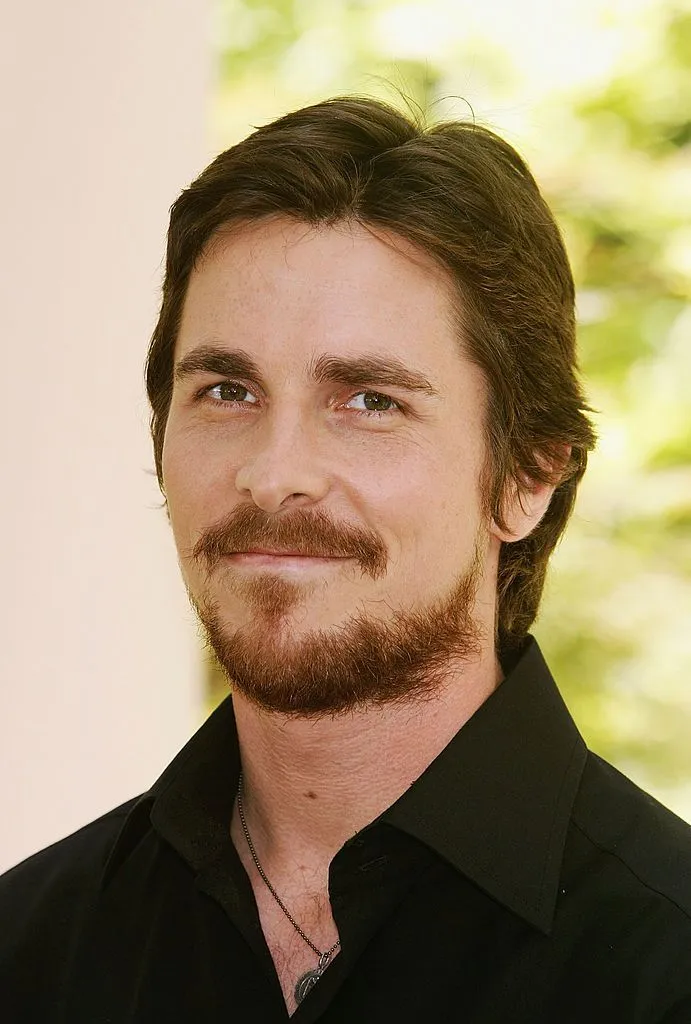 Photo: Christian Bale, via i.pinimg.com
Early Career Foundation and Breakthrough Earnings
Bale's financial journey began as a child actor in Steven Spielberg's "Empire of the Sun" (1987), earning approximately $100,000 for his debut performance. This early exposure to major Hollywood productions established connections that would prove invaluable throughout his career. His teenage years included steady work in television and smaller films, building a foundation that would support his later selective approach to project choices.
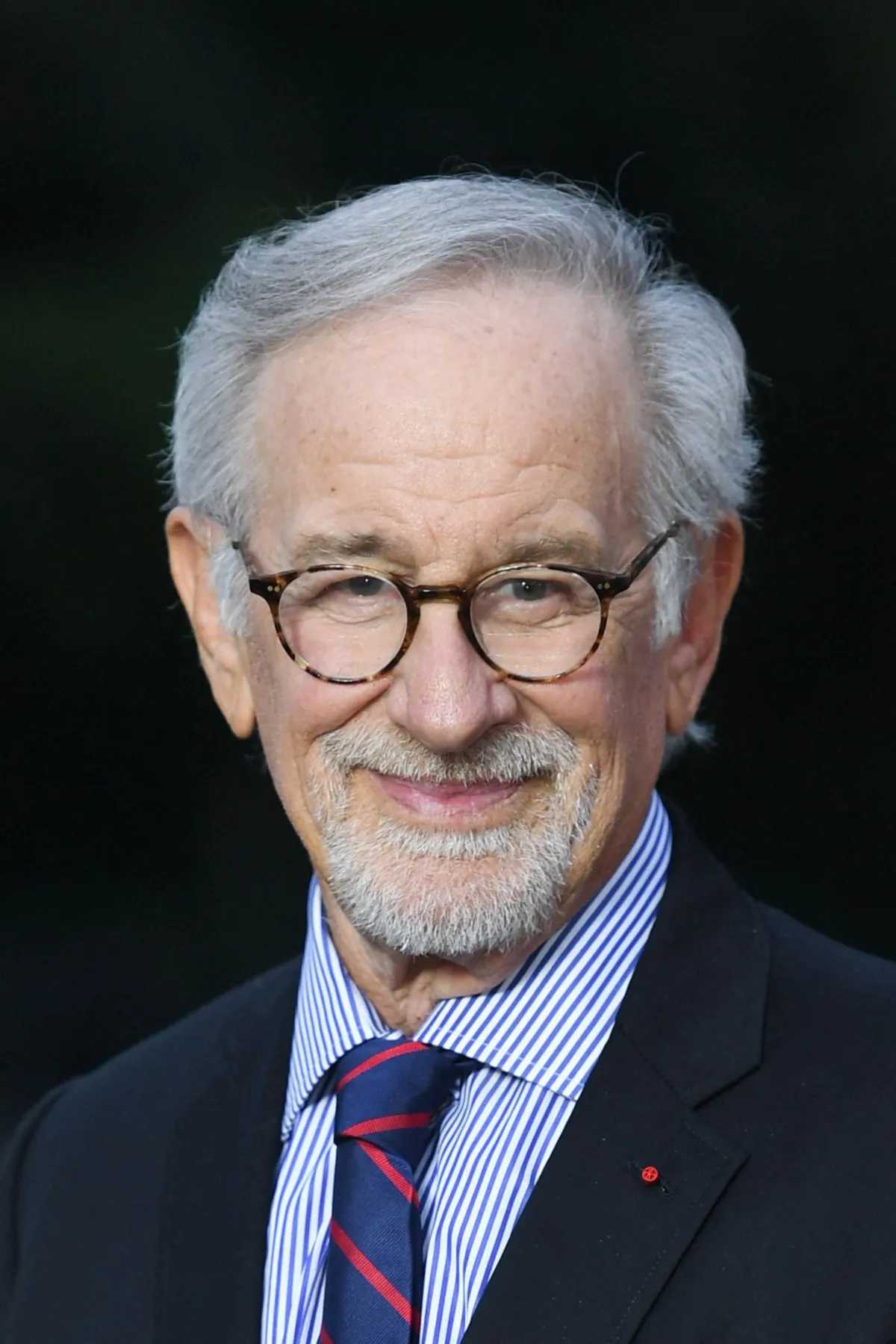 Photo: Steven Spielberg, via static1.srcdn.com
The actor's first significant payday came with "American Psycho" (2000), where his portrayal of Patrick Bateman earned him $300,000 and established his reputation for fearless character commitment. This breakthrough role demonstrated his willingness to embrace controversial material, a strategy that would differentiate him in a competitive market.
The Dark Knight Trilogy: Franchise Fortune Building
Bale's transformation into Batman for Christopher Nolan's trilogy represents the cornerstone of his wealth accumulation. His initial "Batman Begins" (2005) contract reportedly earned him $9 million, but the franchise's success triggered substantial backend participation deals. "The Dark Knight" (2008) generated an estimated $15 million payday, while "The Dark Knight Rises" (2012) brought in approximately $15 million plus profit sharing.
 Photo: Christopher Nolan, via static1.colliderimages.com
The trilogy's combined global box office of over $2.4 billion ensured that Bale's backend deals continued generating revenue years after theatrical releases. Home video sales, streaming rights, and merchandise licensing have created ongoing passive income streams that financial analysts estimate contribute $2-3 million annually to his net worth.
Oscar-Winning Transformations and Premium Pricing
Bale's Academy Award win for "The Fighter" (2010) elevated his market value significantly. His dramatic weight loss for the role—dropping to 145 pounds—garnered widespread media attention and demonstrated his commitment level to potential collaborators. This Oscar victory enabled him to command $10-12 million per film for subsequent projects.
His portrayal of Dick Cheney in "Vice" (2018) earned him another Oscar nomination and an estimated $8 million salary. The physical transformation required gaining 40 pounds and mastering Cheney's distinctive mannerisms, reinforcing his reputation as Hollywood's most dedicated method actor.
Strategic Project Selection and Earnings Maximization
Bale's approach to project selection reflects careful financial planning rather than pure artistic pursuit. His collaboration with director Christopher Nolan extends beyond Batman, including "The Prestige" (2006) and "The Dark Knight" trilogy, creating a valuable professional relationship that commands premium compensation.
Recent Marvel entry "Thor: Love and Thunder" (2022) reportedly earned him $10 million for his villainous Gorr the God Butcher role. This strategic franchise participation demonstrates his ability to balance artistic integrity with commercial appeal, accessing global box office potential while maintaining creative credibility.
Real Estate Portfolio and Investment Strategy
Bale's real estate holdings reflect both American and international diversification. His primary residence in Los Angeles' Brentwood neighborhood, purchased for $8.8 million in 2017, anchors a portfolio estimated at $25-30 million. Additional properties include a ranch in Santa Barbara County and investments in his native Wales.
The actor's investment strategy reportedly emphasizes low-risk, long-term growth rather than speculative ventures. Financial advisors familiar with entertainment industry wealth management suggest his portfolio includes index funds, municipal bonds, and entertainment industry stocks that provide steady returns without requiring active management.
Business Ventures and Endorsement Approach
Unlike many A-list actors, Bale maintains a notably selective approach to endorsement deals and business partnerships. His rare commercial appearances command premium rates precisely because of their scarcity. Industry sources suggest he can earn $3-5 million for carefully chosen endorsement deals that align with his public image.
His production company involvement includes executive producer credits that generate additional revenue streams beyond acting fees. These behind-the-scenes roles provide ongoing income and creative control while building industry relationships that facilitate future projects.
Current Projects and Future Earnings Potential
Bale's upcoming projects include several high-profile collaborations that suggest continued earning power. His selective filmography—typically 1-2 films per year—allows for premium pricing while maintaining the physical and emotional intensity his roles demand.
Industry analysts project his net worth could reach $150 million by 2028, driven by continued selective project participation and the ongoing value of his extensive filmography. Streaming platform licensing deals for his classic films provide recurring revenue that supplements new project earnings.
The Method Behind the Money
Christian Bale's $120 million fortune represents more than financial success—it demonstrates how artistic dedication can create sustainable commercial value. His extreme physical transformations and methodical approach to character development have established a unique market position that commands premium compensation.
From his childhood debut to his current status as one of Hollywood's most respected actors, Bale has consistently chosen artistic challenge over easy commercial success. This strategy has ultimately proven more financially rewarding than conventional star-building approaches, creating a career model that younger actors increasingly seek to emulate.