Christopher Walken Net Worth 2026 — How They Built Their Fortune
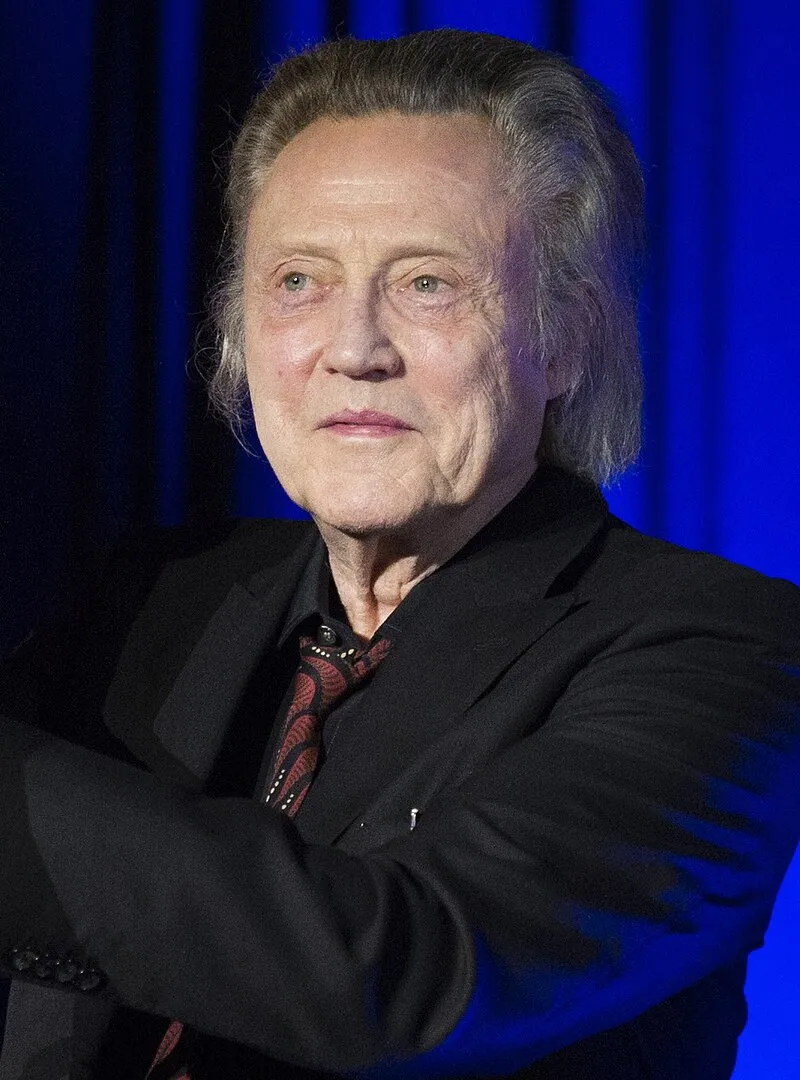
Photo of Christopher Walken, via Wikimedia Commons
Few actors in Hollywood history have built a career as immediately identifiable — and as financially resilient — as Christopher Walken. With an estimated net worth of $50 million as of 2026, the Queens, New York native has translated six decades of stage discipline, screen charisma, and deliberate career choices into a fortune that continues to grow well into his eighties.
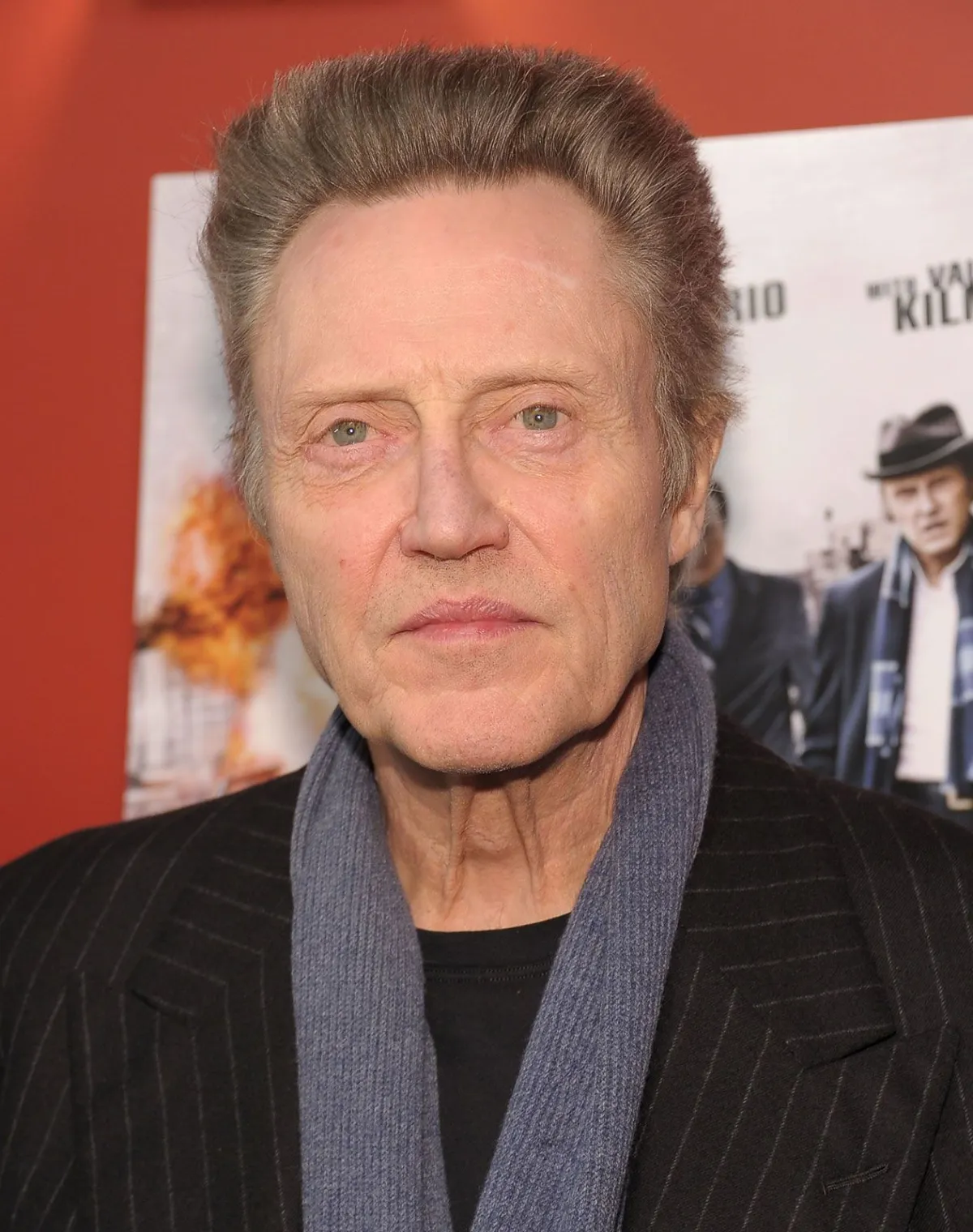 Photo: Christopher Walken, via cdn.britannica.com
 Photo: Queens, New York, via static6.businessinsider.com
Early Foundations: The Stage Years
Born Ronald Walken in 1943, Christopher Walken began performing as a child, appearing in television commercials and minor stage productions throughout his early teens. His formal theatrical training gave him a technical precision that would later define his onscreen work. Throughout the 1960s and early 1970s, Walken worked steadily on Broadway, earning union wages that provided stability while he built his craft. Stage salaries were modest by Hollywood standards — typically ranging from $800 to $2,500 per week for principal roles during that era — but the experience proved invaluable. Broadway not only honed his timing and physicality but also established his reputation among casting directors who would later open major film doors.
The Deer Hunter Breakthrough and Oscar Dividend
Walken's financial trajectory shifted dramatically in 1978 when Michael Cimino cast him as Nick Chevotarevich in The Deer Hunter. His performance earned him the Academy Award for Best Supporting Actor — a credential that permanently elevated his asking price. Pre-Oscar, Walken's film fees were estimated in the low five figures. Post-Oscar, he entered a new tier of compensation. While the late 1970s and early 1980s did not produce the kind of $10 million-per-picture deals that would emerge in the following decade, Walken's Oscar status allowed him to command fees in the range of $250,000 to $750,000 per film throughout the early 1980s.
His 1983 appearance in The Dead Zone, based on Stephen King's novel, further cemented his status as a leading dramatic presence. The film performed solidly at the box office and introduced Walken to a new generation of genre fans — a relationship that would prove financially significant over the long term.
Batman Returns and the Blockbuster Tier
By the time Tim Burton cast Walken as Max Shreck in Batman Returns (1992), his per-picture fee had climbed substantially. Industry sources from that period suggest Walken earned approximately $1.5 million for the role — a figure consistent with the supporting star tier of early 1990s studio productions. Batman Returns grossed over $266 million worldwide, and Walken's memorable performance as the corrupt Gotham businessman introduced him to a global mass audience that extended well beyond his existing fan base.
Throughout the 1990s, Walken appeared in a remarkable volume of films, including True Romance (1993), Pulp Fiction (1994), The Prophecy (1995), and Suicide Kings (1997). His Pulp Fiction appearance, though brief, became one of cinema's most quoted scenes — a cultural moment that reinforced his brand value in ways that transcended any single paycheck. Fees during this period ranged from $500,000 to $2 million depending on the production's budget and the size of his role.
The $5 Million Era: Mainstream Comedy and Prestige Drama
Walken's willingness to appear in comedies — most notably Weapon of Choice, the Fatboy Slim music video that became a viral sensation before the term existed, and films like Catch Me If You Can (2002) and Hairspray (2007) — broadened his commercial appeal considerably. His fee for Catch Me If You Can, in which he played Frank Abagnale Sr. opposite Leonardo DiCaprio and Tom Hanks, is estimated at approximately $3 million. The performance earned him his second Academy Award nomination and reaffirmed his dramatic credentials at a point when many actors of his generation were seeing their stock diminish.
The Fatboy Slim video, released in 2001, generated no direct income for Walken but produced an incalculable amount of brand reinforcement. His willingness to dance, to be absurd, and to subvert expectations made him uniquely bankable across multiple demographics.
Dune and the Franchise Renaissance
Perhaps the most strategically significant casting decision of Walken's later career came when Denis Villeneuve selected him to portray Emperor Shaddam IV in Dune: Part Two (2024). For an actor in his early eighties, securing a role in one of Hollywood's most anticipated franchise properties was a remarkable achievement. While specific contract terms remain confidential, actors at Walken's career level in prestige studio productions typically earn between $2 million and $5 million for supporting franchise roles. With Dune: Part Two grossing over $700 million worldwide, Walken's association with the franchise added meaningful value to his profile and likely included backend participation provisions.
 Photo: Denis Villeneuve, via i.pinimg.com
Television, Endorsements, and the SNL Effect
Walken has hosted Saturday Night Live on multiple occasions, each appearance generating significant media attention and reinforcing his cultural relevance. SNL hosting fees are modest — typically in the $25,000 to $50,000 range — but the reputational value is substantial. His recurring appearances in commercials, most notably for brands seeking to leverage his distinctive voice and persona, have generated an estimated $2 million to $4 million over the course of his career. His voice-over work, including animated features and documentary narration, adds a further revenue stream estimated at several hundred thousand dollars annually during peak years.
Real Estate and Personal Wealth Management
Walken and his wife, casting director Georgianne Walken, have maintained a notably private personal life. The couple owns a home in Wilton, Connecticut, a property that has appreciated considerably from its original purchase price. Real estate holdings are estimated to represent approximately $3 million to $5 million of Walken's total net worth. Unlike many Hollywood contemporaries who pursued aggressive investment strategies, Walken has maintained a relatively conservative financial profile, with wealth management sources suggesting his portfolio is weighted toward stable, income-generating assets.
The 2026 Outlook
At 82, Christopher Walken remains professionally active. His involvement in the Dune franchise, combined with consistent demand for his voice and presence in both dramatic and comedic contexts, ensures that his income has not meaningfully declined. Convention appearances — at which Walken commands fees in the $25,000 to $50,000 range — supplement his project-based earnings. Licensing revenues from decades of iconic performances continue to generate passive income through streaming residuals and home entertainment royalties.
With an estimated net worth of $50 million, Christopher Walken stands as one of Hollywood's most enduring financial success stories — proof that a singular talent, applied with patience and discipline over six decades, can build wealth that outlasts trends, genres, and generations.