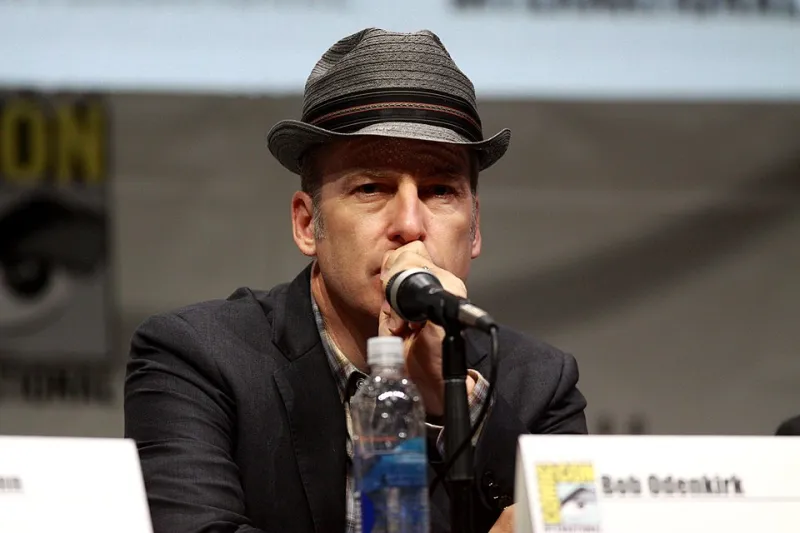
Bob Odenkirk's estimated $16 million net worth represents one of entertainment's most unconventional wealth-building stories. The 61-year-old actor and writer transformed from struggling comedy performer to television's highest-paid dramatic actor through strategic career reinvention and patience.
The Lean Years: Comedy Writing Foundations
Odenkirk's financial journey began in the notoriously underpaid world of comedy writing. His early stint at Saturday Night Live (1987-1991) provided industry experience but modest compensation. SNL writers during this period typically earned $3,000-5,000 per episode, far from life-changing money.
His work on The Ben Stiller Show earned critical acclaim and Emmy recognition but limited financial rewards. The show's brief run meant minimal residual income, a pattern that would define Odenkirk's early career.
Mr. Show and Cult Success
Mr. Show with Bob and David (1995-1998) established Odenkirk's creative reputation but generated minimal immediate wealth. HBO's limited budget for alternative programming meant Odenkirk and David Cross earned roughly $15,000 per episode.
While the show's cult following provided long-term career benefits, its financial impact was negligible. This period taught Odenkirk valuable lessons about balancing creative satisfaction with financial necessity.
Breaking Bad and Career Transformation
Odenkirk's introduction as Saul Goodman in Breaking Bad represented his financial breakthrough. His initial appearance in Season 2 earned approximately $20,000 per episode, standard for recurring guest stars.
As Saul Goodman's popularity grew, so did Odenkirk's compensation. By Breaking Bad's final seasons, his per-episode fee had increased to $75,000, with additional earnings from expanded storylines and character development.
Better Call Saul: The Financial Game Changer
Better Call Saul transformed Odenkirk from character actor to leading man, with corresponding salary increases. His initial contract reportedly guaranteed $150,000 per episode for the first two seasons.
As the show's critical acclaim and audience grew, Odenkirk's leverage increased substantially. Industry sources suggest his final season salary reached $200,000 per episode, with additional producer credits providing backend participation.
With 63 episodes across six seasons, Better Call Saul generated approximately $10-12 million in direct salary for Odenkirk, not including residuals and international distribution fees.
Producer Credits and Backend Participation
Odenkirk's evolution into executive producer on Better Call Saul provided crucial additional income streams. Producer fees typically range from $25,000-50,000 per episode for series leads, adding substantial earnings to his base salary.
Backend participation in the show's international sales and streaming rights provides ongoing revenue. Netflix's global distribution deal ensures continued earnings well beyond the show's conclusion.
Nobody and Action Star Pivot
Odenkirk's starring role in Nobody (2021) represented an unprecedented career pivot. The action thriller earned him an estimated $3 million salary, demonstrating his expanded marketability beyond comedy and drama.
The film's $57 million worldwide gross against a $16 million budget proved Odenkirk's unexpected action star potential. Sequel discussions suggest this new revenue stream could significantly impact his future earnings.
Writing and Publishing Ventures
Odenkirk's memoir "Comedy Comedy Comedy Drama" provided additional income through book advances and sales. Celebrity memoirs typically generate $500,000-2 million in total earnings, depending on promotional efforts and reception.
His continued writing projects, including potential screenplays and television development deals, create multiple income streams beyond acting.
Real Estate and Investment Strategy
Odenkirk's Los Angeles real estate holdings reflect conservative wealth management. His Silver Lake home, purchased for $1.35 million in 2015, has appreciated significantly in value.
His investment approach emphasizes stability over speculation, consistent with his late-career financial success. This strategy protects wealth while allowing for steady growth.
Streaming Era Opportunities
The streaming revolution has created new opportunities for established performers like Odenkirk. His Better Call Saul success positions him for lucrative streaming deals and limited series opportunities.
Netflix, Amazon, and other platforms actively pursue proven talent for original content, potentially providing Odenkirk with substantial future opportunities.
Health Scare and Career Perspective
Odenkirk's 2021 heart attack during Better Call Saul filming provided perspective on wealth and career priorities. His recovery and return to work demonstrated resilience while highlighting the importance of financial security.
This experience likely influenced his approach to future projects, emphasizing quality and personal satisfaction alongside financial considerations.
Teaching and Mentorship Income
Odenkirk's occasional teaching at comedy schools and workshops provides supplementary income while maintaining industry connections. These activities, while not financially significant, contribute to his overall brand value.
His mentorship of younger performers creates networking opportunities that can lead to future collaborations and projects.
Future Earning Potential
At 61, Odenkirk's career trajectory suggests continued earning potential. His demonstrated ability to reinvent himself creates opportunities across multiple entertainment sectors.
Potential Better Call Saul spin-offs, Nobody sequels, and streaming projects could significantly increase his current $16 million net worth over the next several years.
Odenkirk's wealth-building strategy emphasizes patience, strategic career choices, and creative risk-taking. His transformation from struggling comedy writer to television leading man demonstrates how late-career pivots can create substantial financial success in the entertainment industry.